Written by Srivalli Adarapu | Art by Anoushka Pandya
December is designated as a month to promote awareness and cultivate an understanding of the highly prevalent disease, HIV and AIDS. With approximately 39 million recorded cases of HIV in 2022 according to the World Health Organization, HIV demands for urgent public attention. As we progress into a month of holiday cheer and festivities, it is paramount to simultaneously raise public awareness and knowledge of this health condition while mitigating stigma towards it.
Human Immunodeficiency Virus (HIV) is a health condition in which the immune system is weakened. HIV results from a virus obliterating a type of white blood cells, called CD4 cells, which defend the body from disease. HIV consequently makes one more vulnerable to disease as the immune system cannot effectively combat infections. HIV spreads through bodily contact in the forms of childbirth, breastfeeding, sexual intercourse, contact with infected blood, and sharing needles. Once HIV is acquired, there is no known cure for it; it also persists for the remainder of someone’s life.
Acquired Immunodeficiency Syndrome (AIDS) is a further developed stage of HIV. AIDS severely damages the immune system and heightens susceptibility to diseases and infections that could have been avoided with a healthy immune system. These diseases include pneumocystis pneumonia, candidiasis, tuberculosis, and various cancers.
The advancement into AIDS, however, can be averted with proper prevention measures and treatments. Antiviral treatments have alleviated the development of HIV and dramatically reduced deaths from AIDS.
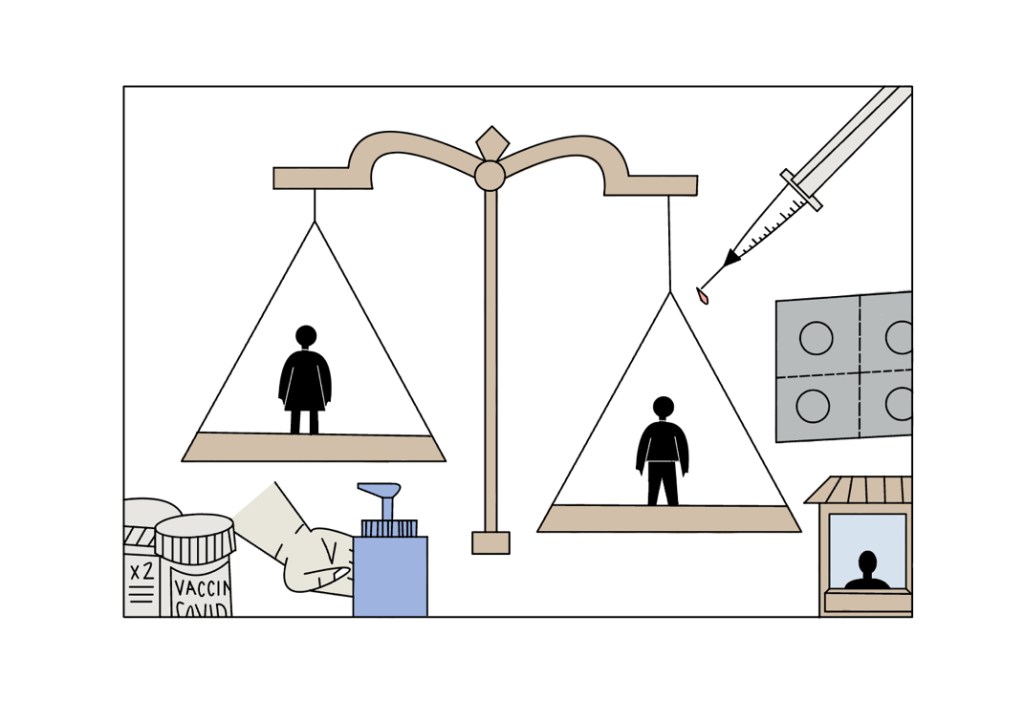
Unfortunately, many with HIV lack access to medicines and preventive measures. Only 76% of those with HIV have received antiretroviral therapy (ART) at the end of 2022, implying that a substantial amount were unable to obtain treatment. This disparity in access to a form of treatment for HIV highlights the urgent need to increase access and availability of HIV treatment globally. It is imperative to increase accessibility to HIV treatments as they help impede the progression of HIV. For instance, If HIV is left untreated, it can quickly develop into AIDS within 8 to 10 years. Therefore, It is crucial to increase access to treatments to quickly prevent the repercussions.
Despite these circumstances, many organizations across the globe strive to increase the availability of HIV treatment. HIV treatment numbers have been ascending over the past few years. By raising public awareness and cultivating a supportive community, we can together make a worldwide effort to reduce the impacts of HIV and AIDS!
Works Cited:
hiv.gov. (2023, January 13). What are HIV and AIDS?. HIV.gov. https://www.hiv.gov/hiv-basics/overview/about-hiv-and-aids/what-are-hiv-and-aids.
Mayo Clinic Staff. “HIV/AIDS.” Mayo Clinic, Mayo Foundation for Medical Education and Research, 29 July 2022, www.mayoclinic.org/diseases-conditions/hiv-aids/symptoms-causes/syc-20373524.


 pathoscribe
Leave a comment