
Written by Yong-Lin Hu | Art by Mahi Raithatha
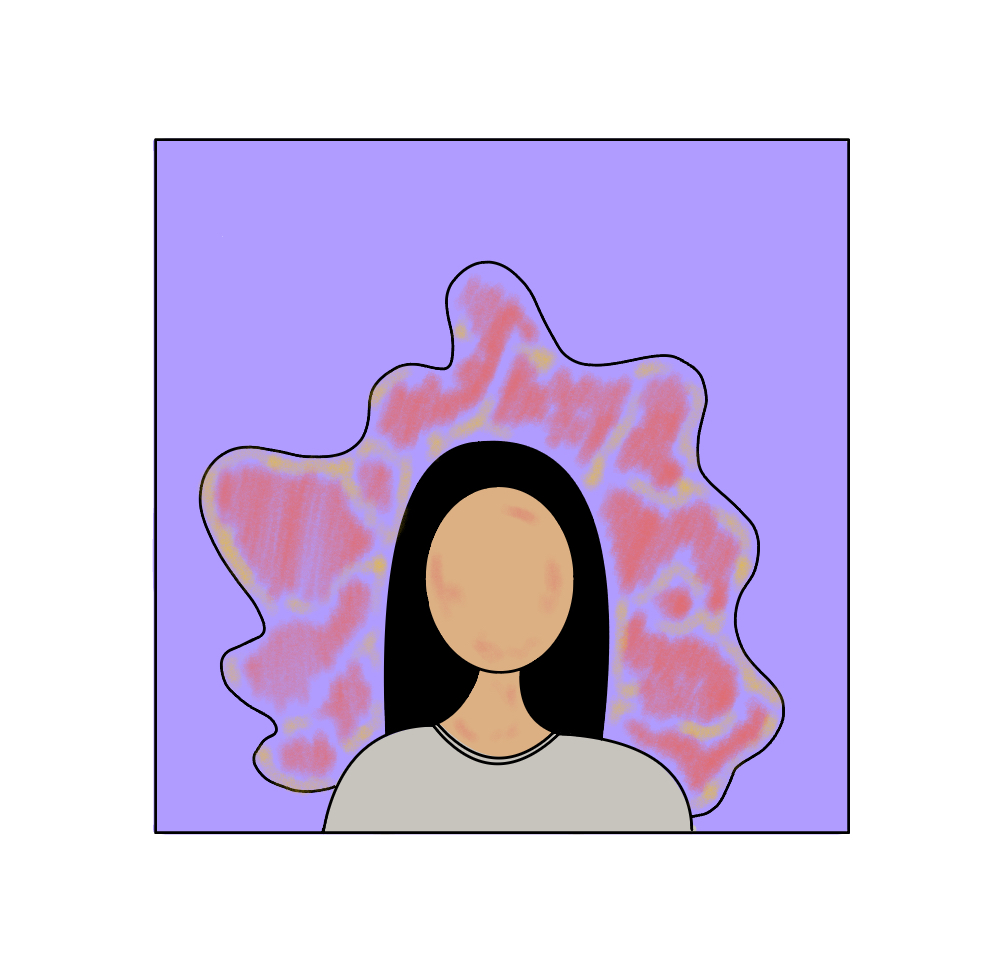
ARFID, or Avoidant Restrictive Food Intake Disorder, is another common eating disorder stemming from a fear of food. However, it varies from disorders such as Anorexia and Bulimia in how people approach food. Instead of an inherent fear of weight loss or gain, or using food as a means to gain control in one’s life, those with ARFID are extremely selective in what they eat. This may be due to sensory sensitivity and a lack of interest in food, where they fall back on a restricted food selection. For example, certain foods may be avoided due to a dislike for a certain color, taste, texture, or smell. It may also stem from a fear of choking or throwing up, possible consequences from eating certain foods, or reluctance to eat around others. As a result, those with ARFID often have unsustainable diets that do not provide adequate nutrients or calories, leading to health complications.
While ARFID may sound similar to extremely picky eaters, it is distinguished based on how it develops over time. Picky eaters typically outgrow symptoms. On the other hand, those with ARFID may experience worsening symptoms without treatment, with slow weight gain and growth. The bottom line is that if their food aversions become detrimental to their health, it is beyond just picky eating–it is an eating disorder.
Those with ADHD, OCD, Autism Spectrum Disorder, depression, or have family histories of ARFID are much more likely to develop this eating disorder, though the exact reasoning is not clear. Common symptoms include lack of appetite, abnormal menstrual periods, low iron or thyroid levels, weakened immune system, muscle weakness, and coldness. Behavioral symptoms include dressing in layers to hide weight loss or to stay warm, fear of choking or vomiting, lack of appetite, limited range of preferred foods becoming worse over time, and reports during mealtimes of fullness or stomach problems to avoid eating.
To diagnose ARFID, a physical exam will be conducted, with blood and urine tests indicating organ function and levels of nutrition, and certain questions will be asked to differentiate ARFID from other eating disorders or underlying conditions. Treatments typically include cognitive behavioral therapy, family-based therapy, and working with mental, physical, and nutritional professionals to make food more approachable. They may provide supplements for nutrition, or in severe cases, temporary feeding tubes, create personalized meal plans, and provide medication for anxiety.
It is important to raise awareness of conditions like ARFID to create a safe space where people can seek help. Together, let’s break down the stigma surrounding ARFID and build a supportive environment for those affected by ARFID!
Sources:
“What Is ARFID?” WebMD, https://www.webmd.com/mental-health/eating-disorders/what-is-arfid. Accessed 13 Apr. 2024.
“Avoidant Restrictive Food Intake Disorder – NEDA.” National Eating Disorders Association, 13 Oct. 2023, https://www.nationaleatingdisorders.org/avoidant-restrictive-food-intake-disorder-arfid/. Accessed 13 Apr. 2024.
“Picky Eating … or Eating Disorder?” Stanford Medicine Children’s Health, https://www.stanfordchildrens.org/en/topic/default?id=picky-eating-or-eating-disorder-88-p11049#:~:text=It’s%20more%20than%20%E2%80%9Cfussy%20eating%E2%80%9D&text=Instead%2C%20they%20may%20only%20eat,other%20people%20in%20social%20settings. Accessed 14 Apr. 2024.

 pathoscribe
Leave a comment