Written by Kirsten Batitay | Art by Anoushka Pandya
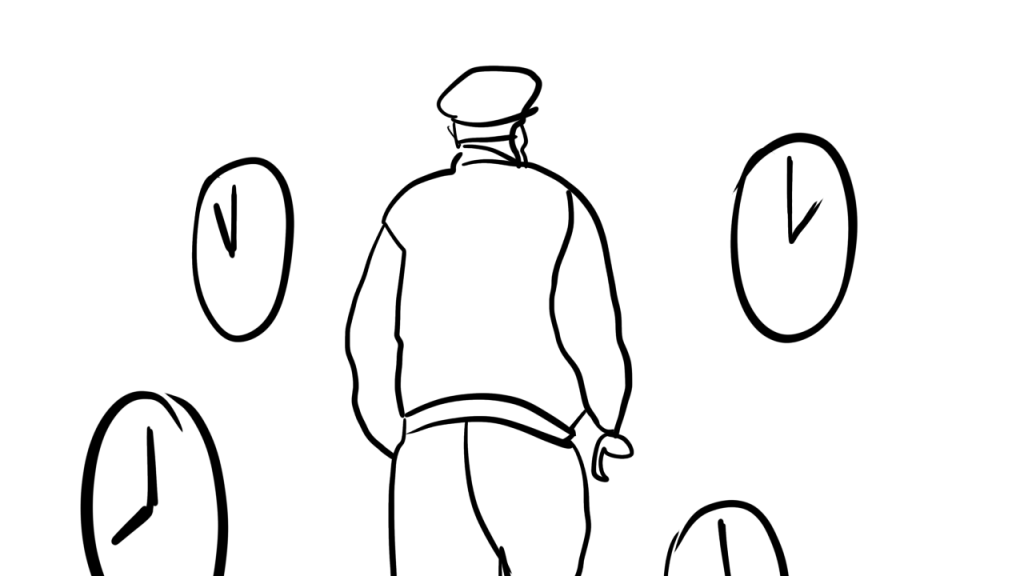
Hutchinson-Gilford progeria syndrome, more commonly known as progeria, is a progressive disorder that manifests itself when a child is two years of age and causes them to age rapidly. These children appear healthy at birth, but this disorder becomes evident when they display slow growth in height and weight and a loss of fat tissue and hair. Due to the various complications associated with this disease, the average life expectancy of the affected is around 15 years, with the cause commonly being heart problems or strokes.
Although the intelligence and motor development of children with progeria are normal, there are distinct changes in their appearance. These include a head comparatively large to the face, visible veins, and a lack of fat in the skin. Also, the affected are seen with a small jaw, chin, mouth with thin lips, a thin and hooked nose, and premature aging. In addition to these changes, affected children experience a myriad of health issues such as cardiovascular disease, hip dislocation, stiff joints, and slight hearing loss. As previously mentioned, the leading causes of death in children with progeria are heart problems and strokes. This is because of a condition called atherosclerosis, which is when the walls of the arteries become stiff and thick, which limits blood flow. When this condition causes problems in the vessels supplying the heart, it leads to heart attacks and failure. When it harms the vessels supplying the brain, it causes strokes.
As progeria is rare, the change that causes it happens by chance rather than being inherited. This change occurs in the lamin, a gene. This gene makes a protein needed to hold the nucleus together. When this mutation occurs, it produces a flawed lamin, a protein, progerin. Progerin leads to cell instability and causes premature aging associated with progeria.
To diagnose progeria, a genetic test is conducted to detect the aforementioned change. Unfortunately, there is currently no cure for this disorder, but there are certain treatments done to ease or delay the symptoms. A leading treatment that has only recently been approved by the FDA is the use of an oral medicine called Lonafarnib, which helps prevent the buildup of progerin and other such proteins, slowing the progression of progeria symptoms and assisting some children to live longer. Children can also undergo physical and occupational therapy, which helps them with stiff joints and hip issues as well as managing their daily tasks, respectively. To possibly help prevent heart attacks and strokes, small, daily doses of aspirin can also sometimes be given, and as for hearing issues, children with progeria can use hearing aids.
Despite the grim end that many of those with progeria eventually face, it is not rare to see their cheerful dispositions unchanged, proving that even their condition cannot deter them from experiencing a childhood filled with joy. This is why it is essential to spread the knowledge of this condition, uplifting those affected and allowing them to be models of inspiration for us all, rather than seeing their condition as an object of negative scrutiny and judgment.
Works Cited:
“Progeria.” Mayo Clinic, Mayo Foundation for Medical Education and Research, 2 May 2023, http://www.mayoclinic.org/diseases-conditions/progeria/symptoms-causes/syc-20356038.
“Progeria.” Mayo Clinic, Mayo Foundation for Medical Education and Research, 2 May 2023, http://www.mayoclinic.org/diseases-conditions/progeria/diagnosis-treatment/drc-20356043.
“Living with Rapid-Aging Disease Progeria.” YouTube, ABC News, 20 Jan. 2013, http://www.youtube.com/watch?v=S67FslpRA3o.


 pathoscribe
Leave a comment