Written by Jayne Thakur | Art by Charlene Cheng
As the first ever person to be found not guilty on the basis of having Dissociative Identity Disorder (DID), Billy Milligan’s case remains popular, even inspiring various pieces of analytical literature. But before being able to recognize the role of DID in his course of punishment, we must understand the basics of the disorder itself.
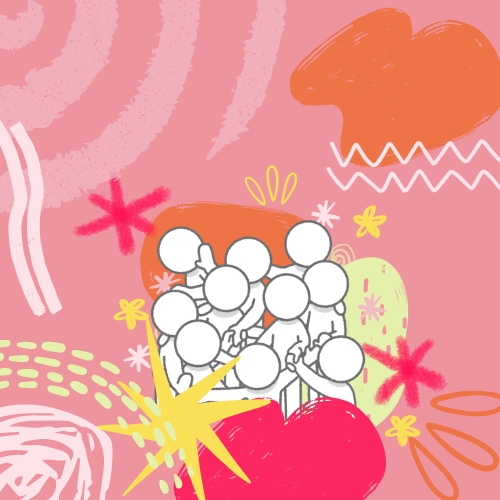
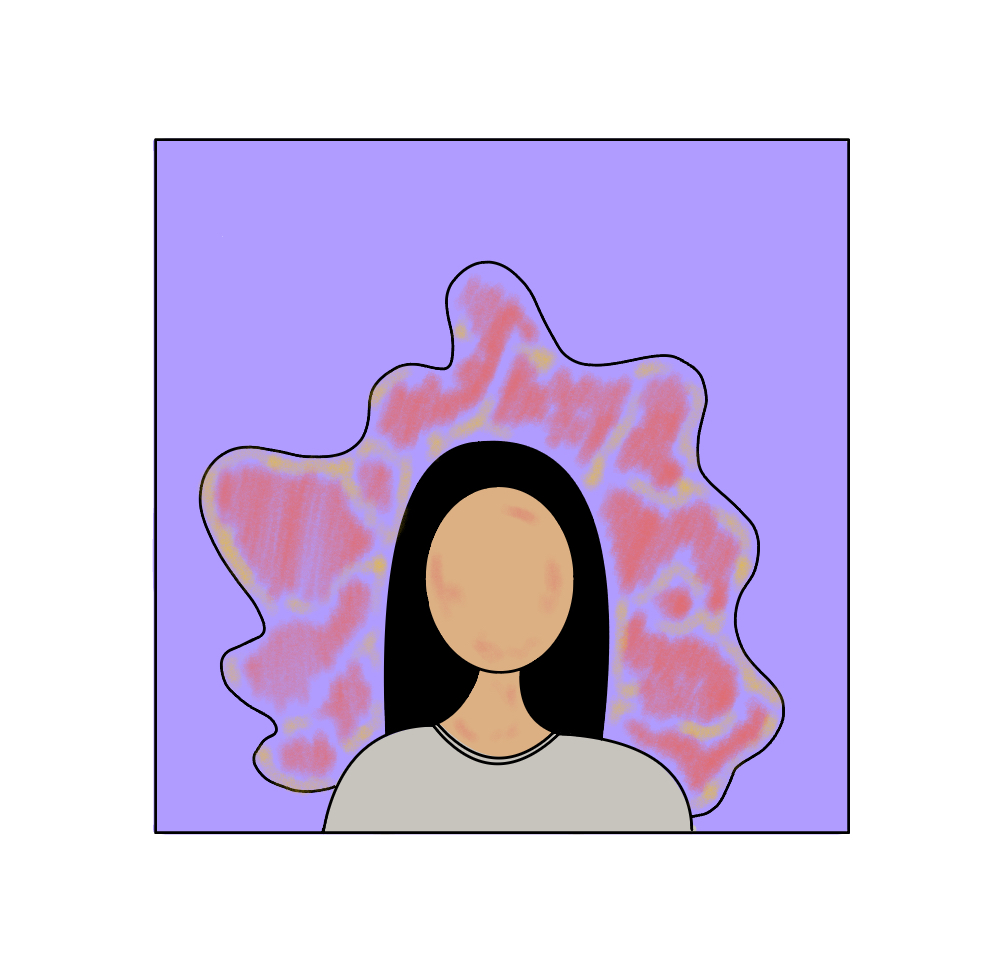
Previously known as Multiple Personality Disorder, DID is a mental health condition in which the person living with this condition experiences having two or more separate identities. These personalities will be active in this person at different times. Each identity has its history, likes and dislikes, and traits, which may all be triggered by different things. Due to the distinctions of identities, individuals affected by these typically have large gaps in memory, often when they are “under the control” of a different identity. People who have lived through DID have said they felt “possessed” by other entities and a distinct disconnect from the world around them, which often led to an identity crisis, or a consistent uncertainty about themselves.
While there is no cure for DID, there are treatments that are in development and use. Medical professionals mostly utilize a mixture of talk therapy and medications to help alleviate the symptoms. Talk therapy targets underlying causes, such as childhood trauma or abuse, whereas medications, such as antidepressants, are used to control drastic mood swings and changes in attitude.
In the case of Billy Milligan, he was initially convicted of sexual assault against 3 women. However, following his arrest, he was placed under the care of a psychiatrist who diagnosed him with DID. Through further examination, it was found that whilst committing these crimes, Milligan was under the influence of 2 out of his 24 other identities, eventually leading to the judge’s declaration that he was not guilty of the crimes as he was not in control of his actions at the time. Instead, he spent the next 11 years in a mental hospital, only to be released when the professionals had determined that most of his personalities had finally melded together, no longer posing a risk to society.
Sources:
Tracy, Natasha. “Dissociative Identity Disorder Cases: Famous and Amazing.” HealthyPlace, 4 Jan. 2022, www.healthyplace.com/abuse/dissociative-identity-disorder/dissociative-identity-disorder-cases-famous-and-amazing. Accessed 27 March 2024.
“Dissociative Disorders.” NHS Choices, NHS, 14 Aug. 2023, www.nhs.uk/mental-health/conditions/dissociative-disorders/. Accessed 27 March 2024.
Mayo Clinic Staff. “Dissociative Disorders.” Mayo Clinic, Mayo Foundation for Medical Education and Research, 31 Aug. 2023, www.mayoclinic.org/diseases-conditions/dissociative-disorders/symptoms-causes/syc-20355215. Accessed 27 March 2024.

 pathoscribe
Leave a comment