Written by Srivalli Adarapu | Art by Simran Ahluwalia
“Virtue is the golden mean between two vices—one of excess and the other of deficiency,” Aristotle once said. Aristotle’s renowned doctrine of the golden means suggests that one should resort to moderation to achieve a virtuous life. This principle of balance extends beyond ethics; it applies to the brain as well. A balance of chemicals known as neurotransmitters allows for one to achieve mental stability.
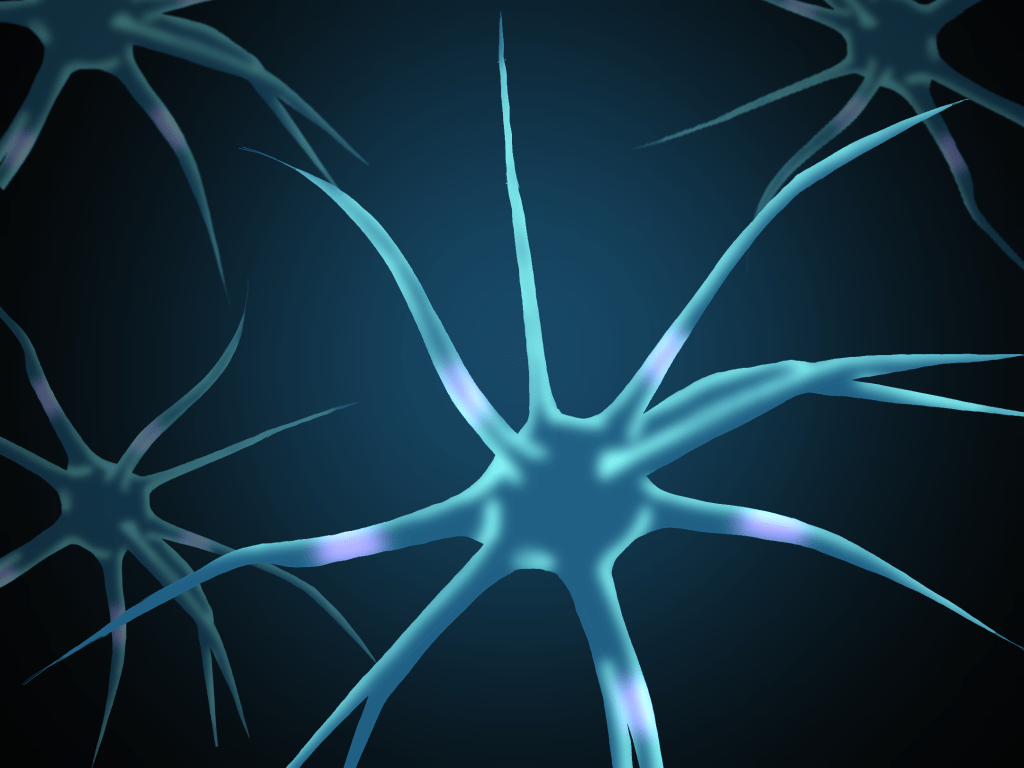
Neurotransmitters are essential chemical messengers in the body that transmit electrical signals between neurons, or nerve cells. This transfer of messages from neuron to neuron is a crucial process in the human body, controlling all our functions and actions, from heartbeats and muscle movements to thoughts and emotions.
Neurotransmitters are found in the axon terminals, where electrical signals are converted into chemical signals. These chemicals influence actions and behavior through the complex. When messages traverse a nerve cell, their electrical charges cause neurotransmitters to merge with the cell membrane, resulting in neurotransmitters carrying the message. Neurotransmitters then deliver the message once they leave the axon terminal of a neuron and reach another nerve cell. Once the neurotransmitters are done transferring signals, enzymes disintegrate them for later use.
While more than 200 neurotransmitters have been identified, others are yet to be discovered. The most prevalent neurotransmitters are serotonin, dopamine, GABA, and epinephrine. Serotonin, called the happy chemical, regulates mood, sleep, appetite, and memory. Low levels of serotonin are often associated with mental health conditions such as depression, seasonal affective disorder, and eating disorders. Medications for depression and anxiety often address serotonin imbalance by increasing serotonin levels. Another chemical, dopamine, often results in feelings of motivation, pleasure, and satisfaction. Dopamine imbalance is affiliated with schizophrenia and bipolar disorder. GABA (Gamma-aminobutyric acid) is an inhibitory neurotransmitter that hinders a nerve cell from transmitting and receiving signals. Low levels of GABA often result in insomnia, anxiety, and depression. Medications such as benzos increase GABA activity in the brain to stabilize one’s mood and alleviate conditions such as anxiety and depression. Epinephrine, commonly known as adrenaline, is activated during moments of stress and trepidation. A rising blood pressure and heart beat are both responses to high levels of epinephrine. Abnormal levels of epinephrine contribute to anxiety, sleep disorders, and hypertension.
Neurotransmitters clearly play a major role in one’s mental health, shaping it for the better or worse. It is crucial to maintain a balanced neurotransmitter level for sustaining mental peace and stability, achievable through regular exercise and a healthy and nutritious diet. By addressing the leading causes for many mental conditions—neurotransmitter imbalance—we can strive towards an improved mental well-being!
Works Cited:
Khaliq, Rabia. “Neurotransmitters and Mental Health: Understanding the Impact.” MEDvidi, 12 Oct. 2023, medvidi.com/blog/neurotransmitters-and-mental-health-understanding-the-impact.
C. C. medical. (n.d.). Neurotransmitters: What they are, functions & types. Cleveland Clinic. https://my.clevelandclinic.org/health/articles/22513-neurotransmitters

 pathoscribe
Leave a comment