
Written by Shaurya Gulani | Art by Yue Yi Peng
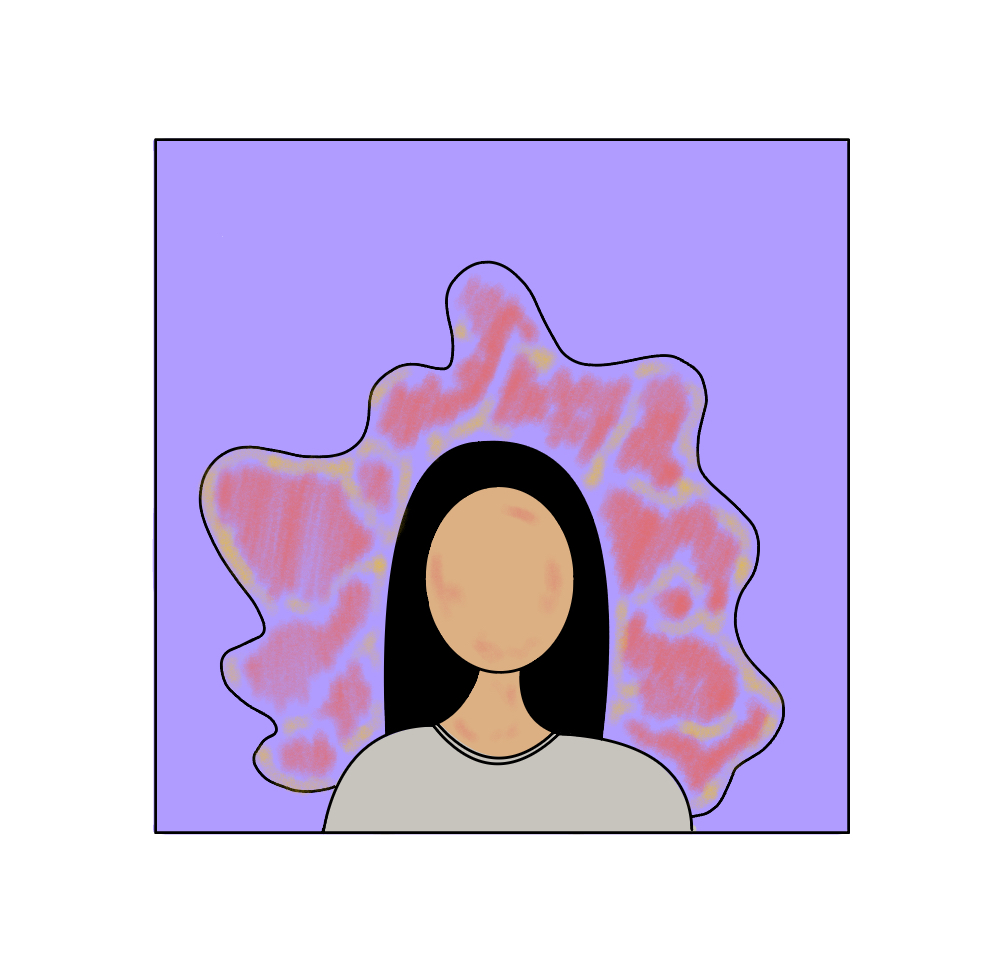
You may have heard the phrase “You will never understand my pain” in movies or even real life. What if someone actually could feel the pain someone else experiences? This might seem hypothetical, however, this ability fits the description of a Mirror Touch Synesthesia Disorder.
Mirror Touch Synesthesia, or MTS for short, is a disorder where an individual feels a physical sensation for an action that occurs to another person. The University of Delaware estimates that every 2 in 100 people have this condition. People with MTS are known for having a particularly empathetic nature as they can quite literally recognize and understand the feelings of another person. Symptoms of this disorder include passing out after being around other people’s feelings, feeling shocking electricity in their body when they see someone scrape their body, and more.
Mirror Touch Synesthesia is a genetically inherited disorder. Additionally, there is no cure or treatment for the disorder. This is mainly because this particular field has not been thoroughly explored, as it is relatively new.
While some people enjoy this unique ability, others feel like it actually isolates them from others. Due to the rare nature of this disorder, it is common for people to question the legitimacy of this disease. This is why it is important to raise awareness of MTS so that people with the condition can identify and cope with the disorder, while others employ an understanding mindset for the troubles individuals with MTS face.
Works Cited:
Watson, Kathryn. “Synesthesia: Definition, Examples, Causes, Symptoms, and Treatment.” Healthline, Healthline Media, 24 Oct. 2018, http://www.healthline.com/health/synesthesia#treatment.
“Mirror Touch Synesthesia: What Is It, Causes, and More.” Medical News Today, MediLexicon International, http://www.medicalnewstoday.com/articles/mirror-touch-synesthesia. Accessed 26 May 2024.

 pathoscribe
Leave a comment