
Written by Srivalli Adarapu | Art by Tanisha Arora
Emerging from the Autism Rights Movement beginning in the 1990s and later coined “neurodiversity” by sociologist Judy Singer, the neurodiversity movement aims to reduce the stigma surrounding neurological and developmental conditions such as autism, ADHD, and learning disabilities. It has actively been advocating for the acceptance of neurological differences, aiming for a shift from viewing such conditions as deficits to instead embracing these neurological differences. While this movement has greatly focused on autism, it encompasses a variety of neurological conditions such as dyslexia, synesthesia, and Tourette’s syndrome.
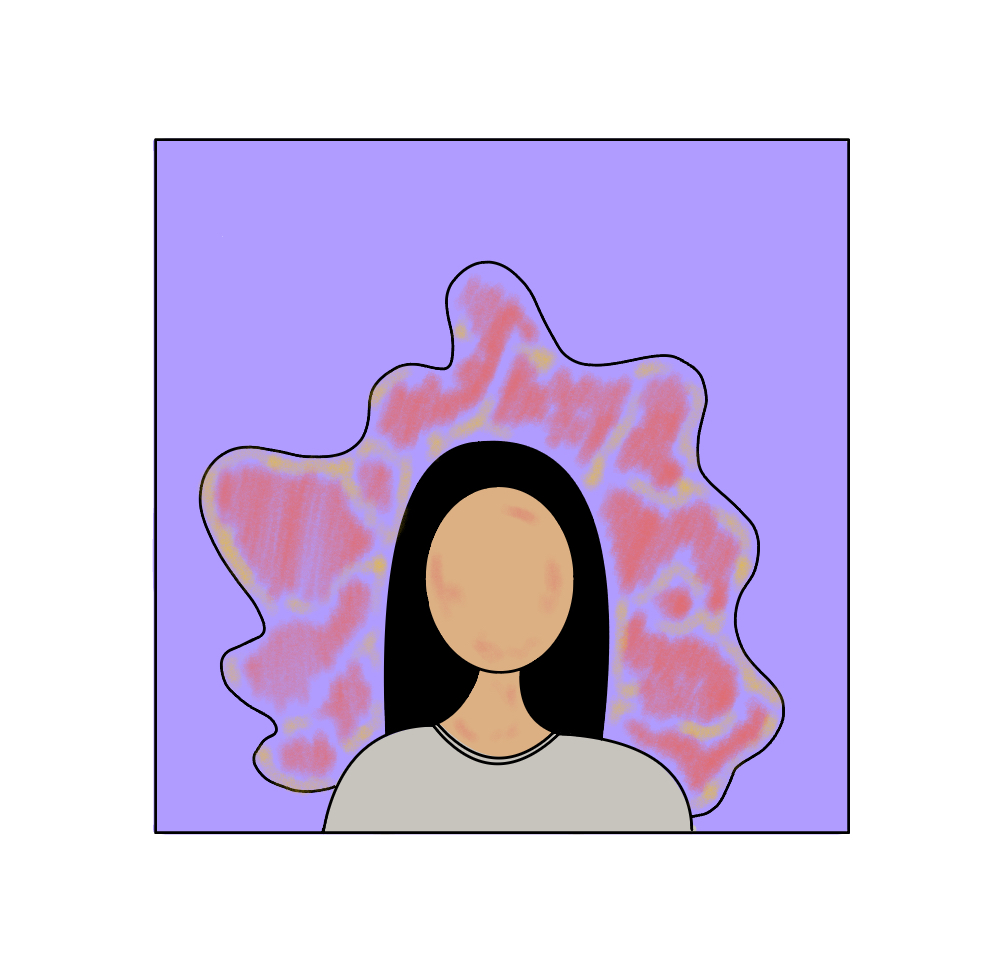
Individuals with neurological differences that affect how their brains function are referred to as “neurodivergent,” whereas those unaffected by such conditions are called “neurotypical.” The neurodiversity movement promotes the acceptance and embracement of neurological differences, challenging perceptions of neurodivergent individuals as abnormal and pathologized.
While neurodivergent people face challenges due to their conditions such as communicating and sensory processing, they also possess unique strengths and challenges. For instance, a study found that those with autism often excel in working with systems, such as mathematical systems and computer languages. Another study suggests that those diagnosed with ADHD possess strengths of creativity, curiosity, and resilience.
Neurodivergent individuals encounter numerous struggles including difficulties with their social lives and mental health. According to Deloitte, 85% of autistic people are unemployed, compared to the overall unemployment rate of 4.2% in the United States. This sharp contrast in unemployment rates highlights the unequal opportunities and discrimination that neurodivergent individuals encounter. Many of these struggles stem from societal stigma and discrimination. Unfortunately, many people tend to underestimate the abilities of neurodivergent individuals, often misconceiving them as unintelligent or incapable. These misconceptions hinder neurodivergent people from having equal opportunities as others. Given these challenges, many neurodivergent individuals commonly experience mental health challenges. A study conducted by the Autism Research Institute found that 78% of autistic children have at least one mental health condition.
The neurodiversity movement highlights the need to foster an inclusive and safe space for those with neurological differences. By embracing neurodiversity and shifting away from a deficit-oriented view of these neurological differences, together, we can cultivate inclusivity and build a world in which all neurodivergent individuals can thrive!
Works Cited:
Harvard Health Publishing. “What Is Neurodiversity?” Harvard Health Blog, 23 Nov. 2021, www.health.harvard.edu/blog/what-is-neurodiversity-202111232645.
O’Shea, William. “Neurodiversity: The Movement.” Psychology Today, 21 Apr. 2020, www.psychologytoday.com/us/blog/the-elusive-brain/202004/neurodiversity-the-movement.
“Neurodivergent.” Cleveland Clinic, my.clevelandclinic.org/health/symptoms/23154-neurodivergent. Accessed 17 July 2024.
Savarese, Ralph James, and Stephen Kuusisto. “The Myth of the Normal Brain: Embracing Neurodiversity.” AMA Journal of Ethics, vol. 17, no. 4, Apr. 2015, pp. 348-352, journalofethics.ama-assn.org/article/myth-normal-brain-embracing-neurodiversity/2015-04.

 pathoscribe
Leave a comment