
Written by Abigail Lee Aol | Art by Lily Ozaeta
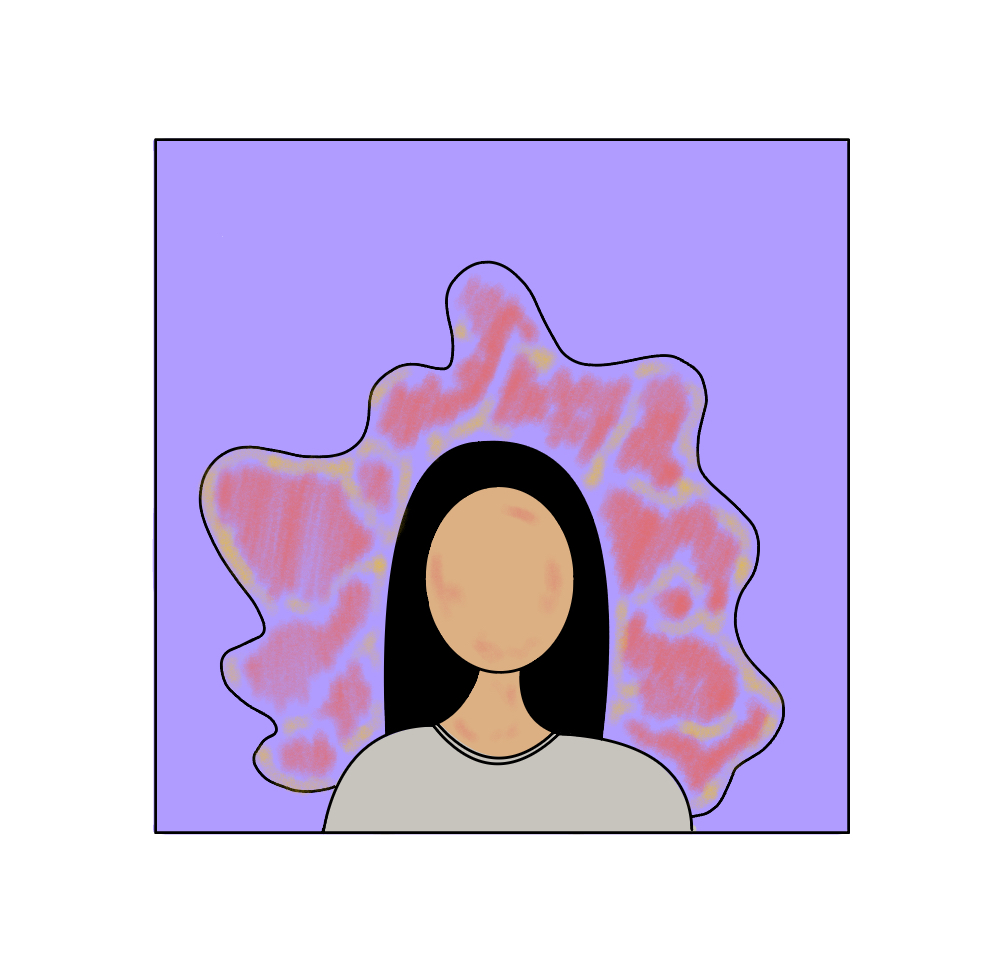
What is it like to see only the brush strokes on canvas but not the actual art? Body Dysmorphic Disorder is primarily related to how someone perceives a slight or nonexistent flaw as more significant than it actually is. Research by Dr. James Feusner shows that people diagnosed with BDD most often see details in their faces without acknowledging how they fit into the overall appearance of their faces. Their preference for using the left hemisphere of the brain, which is mainly responsible for details and categorization, keeps them from seeing how they make up the big picture.
Individuals with BDD have various symptoms that are often misdiagnosed as other ailments. For example, those affected may experience the same obsessions and compulsions as those with OCD (obsessive-compulsive disorder). However, theirs would be more specific to a body part.
A person who believes their skin is blemished could obsess over it through excessive grooming or viewing the perceived flaw constantly using mirrors or any other reflective surfaces. They may have compulsions such as plucking at blemishes or severe anxiety in situations where they feel their defects will be subject to attention.
This anxiety varies from person to person with some being comfortable after adequately hiding their flaws in layers of makeup or using the clothes they choose to wear. Some may experience a more severe build-up of anxiety which leads to situations like isolation and even thoughts of suicide.
Additionally, people having BDD may present any combination of the following symptoms;
- Thinking about the area of obsession for many hours in a day.
- Excessive physical exercise and dieting.
- Seeking reassurance about their physical appearance yet failing to believe positive affirmations from those close to them.
- A desire for dermatological and cosmetic surgery even when deemed unnecessary by experts.
Considering the list above, it appears that BDD inspires multiple “solutions” to fix a perceived flaw. However, regardless of how many surgeries or how much weight a person loses or gains, their feelings of ugliness still persist..
This is because they fail to address the underlying problems that manifest through BDD. The most effective treatment for this disorder is not related to fixing or improving the appearance of any body part but rather changing the way an individual views themself.
Cognitive behavior therapy aims to address self-defeating thoughts, the rituals involved in changing one’s appearance, and generally changing the way a person thinks or feels.
Other relevant treatments include medication like selective serotonin reuptake inhibitors (SSRIs), which help to control the symptoms of Body Dysmorphic Disorder.
Works Cited:
Body Dysmorphic Disorder | Anxiety and Depression Association of America, ADAA. adaa.org/understanding-anxiety/body-dysmorphic-disorder. Cnn,
Elizabeth Landau. Body Dysmorphic Disorder Patients See Details, Not Whole Face – CNN.com. edition.cnn.com/2010/HEALTH/02/01/body.dysmorphic.disorder/index.html#:~:text=When%20viewing%20themselves%20in%20photographs,look%20distorted%2C%22%20he%20said.
Department of Health & Human Services. “Body Dysmorphic Disorder (BDD).” Better Health Channel, http://www.betterhealth.vic.gov.au/health/conditionsandtreatments/body-dysmorphic-disorder-bdd.

 pathoscribe
Leave a comment