
Written by Sophia Qin | Art by Krish Irie de Vera
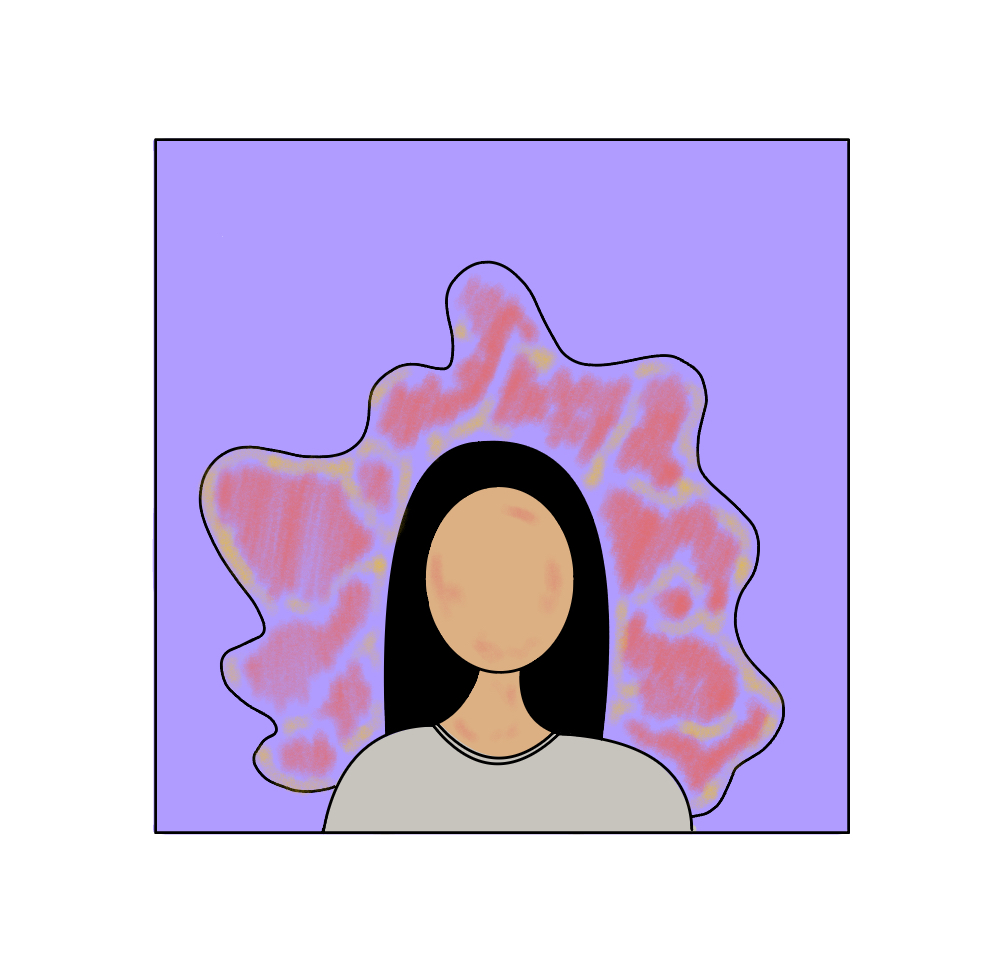
Caused by the varicella-zoster virus, chickenpox is a highly contagious disease most prevalent in children under the age of 10. The illness can be spotted through itchy rashes with red spots and bleeding blisters, mainly affecting skin and mucous membranes. Although it is not often classified as a severe disease, some cases of chickenpox can result in life threatening complications. In order to prevent such cases, if symptoms begin to surface, it is important to seek medical attention immediately.
Chickenpox has existed for centuries.lthough the first case was recorded in the 16th century, herpes virologists believed that the varicella-zoster virus originated in Africa millions of years ago. The virus was not correctly diagnosed until 200 years later, when physician William Heberden distinguished chickenpox from smallpox. This distinction not only mitigated incorrect diagnoses, but it also allowed for chickenpox to be treated more efficiently.
Adolescents in their early developmental stages are most vulnerable to contracting chickenpox, but adults who get the illness also suffer severe symptoms. For example, older age groups often experience heightened pneumonia and encephalitis along with chickenpox. Chickenpox is extremely contagious as it spreads via numerous ways. Whether it is direct human-to-human contact with the rash or cough droplets, the easy transmission of chickenpox makes it crucial for the infected to stay indoors and avoid contact with others. Especially in crowded settings such as daycares and schools, it is of utmost importance to keep in mind that the period where the disease is most contagious starts a few days before the rash develops and lasts until the blisters have scabbed.
Chickenpox begins with a fever, chills, and headache—often indifferentiable from a flu or a common sickness. However, after a few days, rashes develop on the face, legs, arm, neck, back, chest, and scalp. This characteristic rash begins as small red spots followed by fluid-filled blisters which eventually burst and crust. Due to the itchy nature of the rashes, children often scratch the area, leading to further skin damage and bacterial infections.
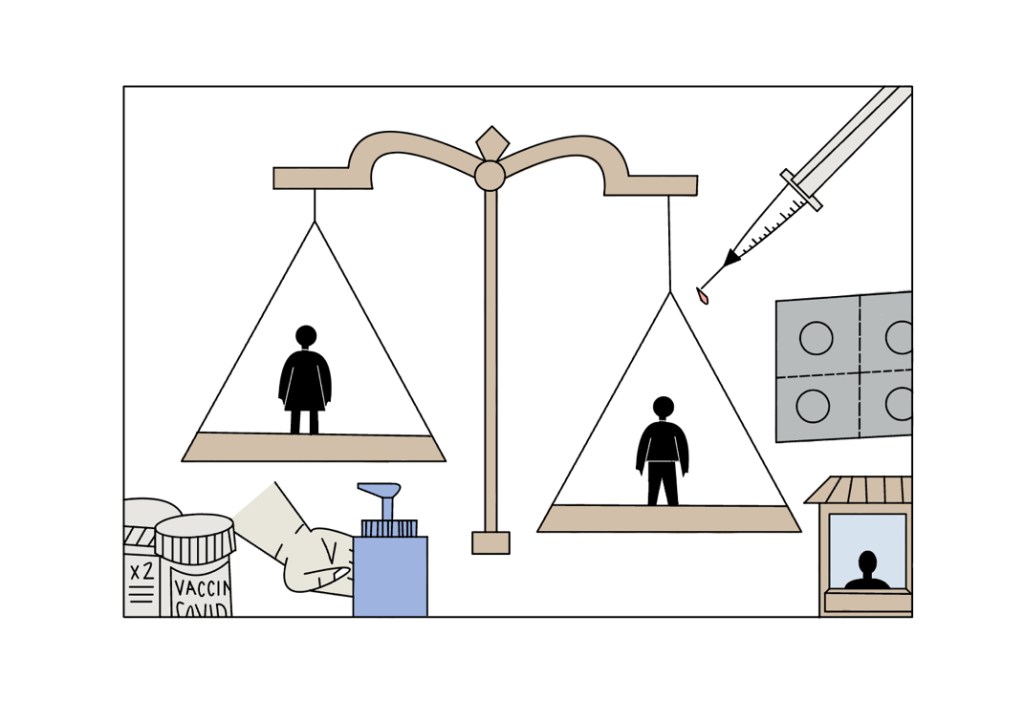
Historically, chickenpox was not directly treated; rather, certain treatments were used to simply alleviate symptoms. For example, calamine lotion, oatmeal baths, and over the counter medicine were temporary remedies to prevent itching and discomfort. Although there is still no specific cure for chickenpox, modern day advancements allow patients to live comfortably with the disease, and vaccines prevent overall contraction. Introduced in the early 1990s, the varicella vaccine significantly reduced the prevalence of chickenpox. Healthcare providers recommend administering the vaccine in two doses, with the first dose at 12 months old and the second dose at the age of four to six. Studies show that the vaccine is 85 percent effective in preventing any form of chickenpox and 100 percent effective in preventing severe cases of the disease.
The once deadly childhood disease is now largely controlled due to the application of vaccines and other medical advancements. As chickenpox continues to coexist with other diseases, it is crucial to continue to be cautious of specific symptoms and seek treatment accordingly.
Work Cited:
“History of Chickenpox – National Vaccine Information Center (NVIC).” Www.nvic.org, www.nvic.org/disease-vaccine/chickenpox/history.
Mayo Clinic. “Chickenpox – Symptoms and Causes.” Mayo Clinic, Mayo Clinic Staff, 8 May 2021, www.mayoclinic.org/diseases-conditions/chickenpox/symptoms-causes/syc-20351282.
“Chickenpox: Practice Essentials, Background, Pathophysiology.” EMedicine, 22 Mar. 2020, emedicine.medscape.com/article/1131785-overview.
CDC. “Chickenpox.” Centers for Disease Control and Prevention, 21 Oct. 2022, www.cdc.gov/chickenpox/about/index.html.

 pathoscribe
Leave a comment