Written by Srivalli Adarapu | Art by Maya Wen
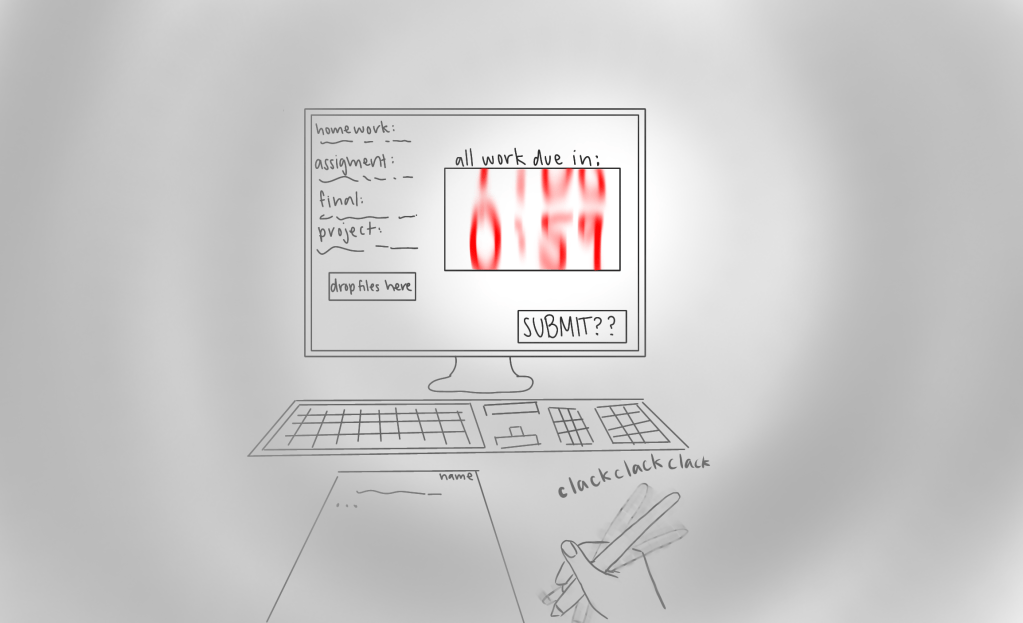
The heart pounds uncontrollably, dread takes hold, and feelings of restlessness and tension sink in— these sensations are far too familiar for those experiencing anxiety. Anxiety has recently been a prevalent topic across social media, following the recent release of the animated movie Inside Out 2. This movie effectively portrays the reality of anxiety as it takes over teenager Riley’s life during an intense hockey camp. While everyone has experienced anxiety at times, it can manifest more intensely for some. With over 40 million adults in the United States affected by it, anxiety stands as the most prevalent mental health disorder in the United States, according to the National Institutes of Health.
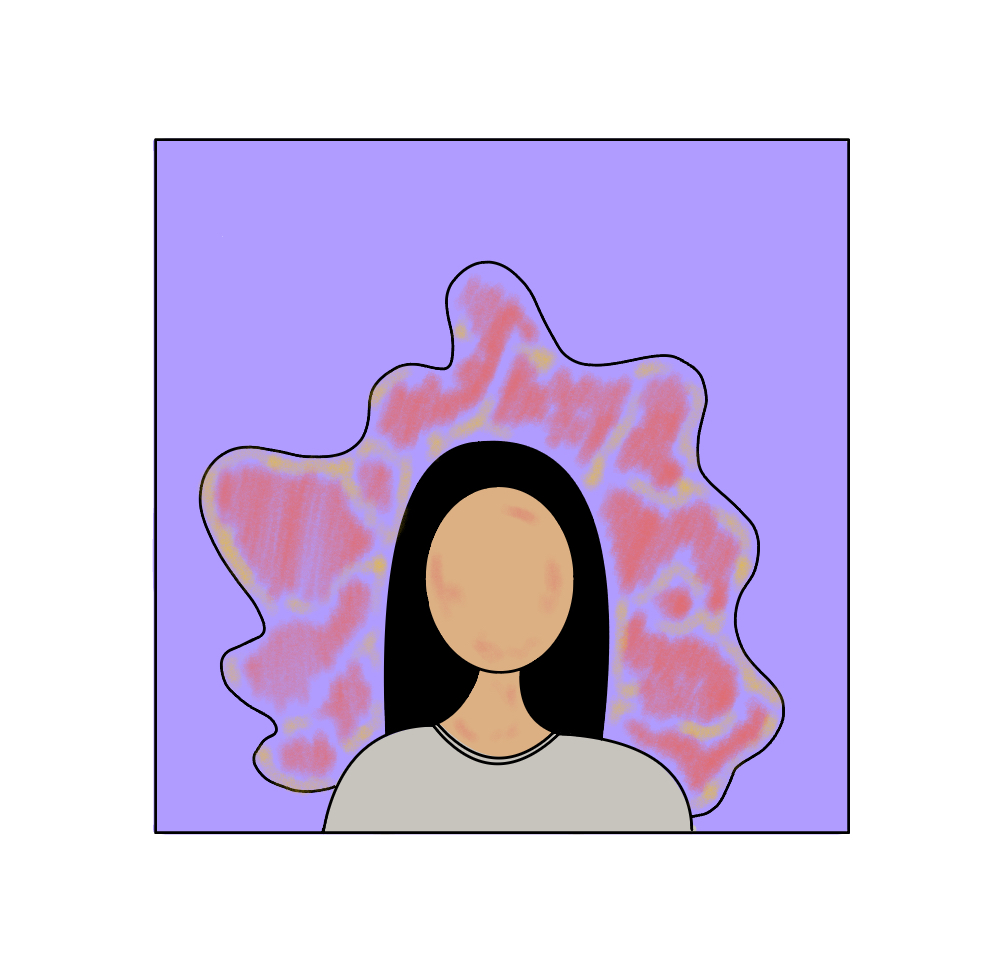
Anxiety is the body’s fight-or-flight response to a psychological or physical threat. Often, our brain misinterprets the severity of a threat, overestimating a minor obstacle as though our life is on the line. The amygdala—an almond-shaped region in the brain responsible for handling emotions, memories, and sensory details—notifies other body systems when it notices a potential danger, preparing for defense. For instance, the heart beats faster and muscles tense in response. The amygdala becomes highly reactive, subduing the prefrontal cortex, impairing our ability to make decisions and think rationally during stressful moments.
A variety of factors can make one prone to experience anxiety, such as trauma, societal pressures and expectations, or an accumulating workload. Coping with anxiety can be quite difficult as it is hard to overcome such intense and persistent feelings of fear and worry while moderating the body’s natural response to stress.
Anxiety can be categorized into several types, including Generalized Anxiety Disorder (GAD), Social Anxiety Disorder, Panic Disorder, and various phobias. Each one is characterized by distinct symptoms and triggers.
Although anxiety can feel overwhelming and even insurmountable at times, it’s important for one to take the time to process their thoughts and worries as a means of coping. Many get anxious when they are overwhelmed by a multitude of worries. Rather than attempting to address all these stressors at once, it’s more effective to focus on each one individually through practices like journaling and thinking. Exercise is also beneficial in managing anxiety! Muscle tension is a common symptom of anxiety. By constantly pumping endorphins, neurotransmitters that make one feel good, exercise can significantly relieve stress as it decreases muscle tension and makes one live in the present moment. Additionally, taking a break by engaging in simple, everyday activities, such as washing the dishes, can help alleviate anxiety. Researchers at Florida State University conducted a study in which they found that those who washed dishes and focused on the minor details, such as the aroma of the dish soap, experienced a notable decrease in anxiety. Next time anxiety feels overwhelming, try incorporating these coping strategies into your routine!
Works Cited:
“Anxiety Disorders.” Cleveland Clinic, 11 July 2024, my.clevelandclinic.org/health/diseases/9536-anxiety-disorders.
“The Biology of Anxiety.” Psychology Today, www.psychologytoday.com/us/basics/anxiety/the-biology-of-anxiety.
Psych2Go. “6 Little Habits to Reduce Anxiety.” YouTube, 27 Sept. 2022, www.youtube.com/watch?v=s9zZr2KRvzs.
“Exercise and Stress: Get Moving to Manage Stress.” Mayo Clinic, 3 Aug. 2022, www.mayoclinic.org/healthy-lifestyle/stress-management/in-depth/exercise-and-stress/art-20044469.

 pathoscribe
Leave a comment