Written by Diya Desikan | Art by Anoushka Pandya
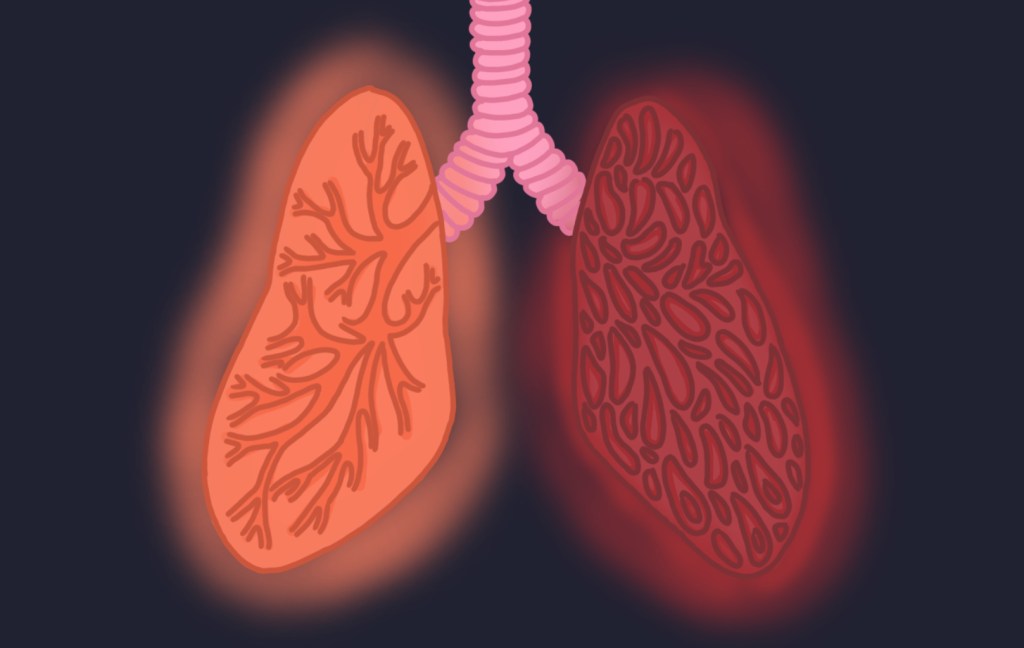
Only 1 in 78,000 diagnoses each year, Guillain Barre Syndrome (GBS) is a rare disorder affecting both the immune and nervous systems. It occurs when the immune system attacks the nerves. It is incredibly dangerous, despite its low death rate, and almost always results in hospitalization.
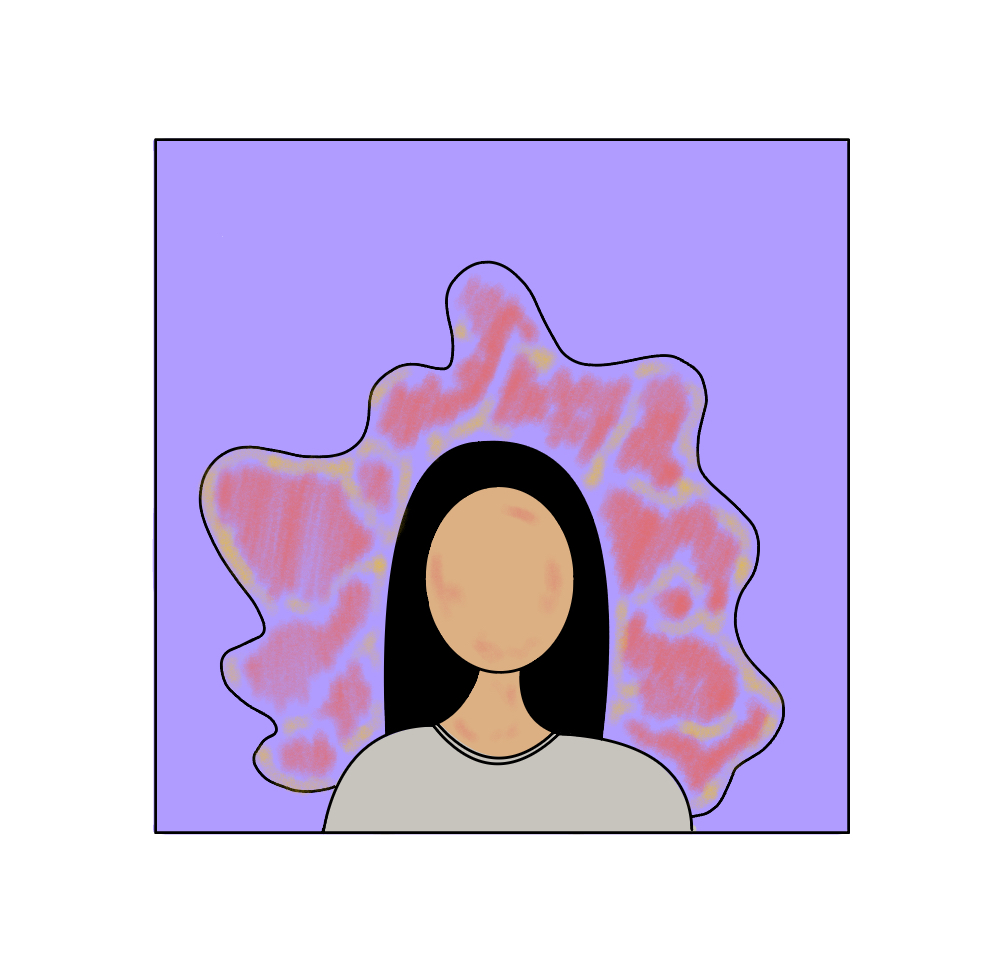
The cause of GBS is not entirely known, but around 67% of people with GBS were diagnosed with an infection six weeks before symptoms of Guillain Barre manifest. These infections are commonly respiratory, viral, or gastrointestinal, such as COVID-19 and the Zika virus.
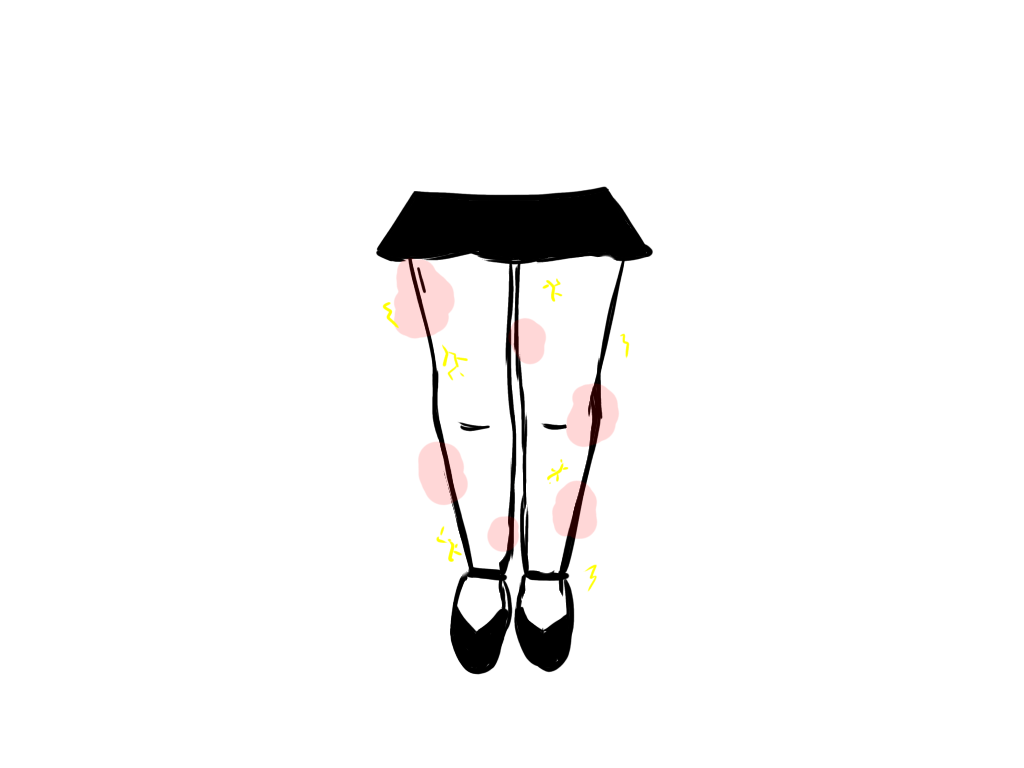
GBS affects the peripheral nerves, which manage movement, body temperature, pain signals, and touch; its symptoms reflect this. The first symptoms of Guillain Barre Syndrome are tingling or weakness, starting from the legs and working its way up. It includes a “pins and needles” feeling in the fingers, muscle pain in the back and legs, paralysis of the legs, face, and potentially the entire body, double vision, trouble with bladder and bowel functions, and difficulty speaking or swallowing, to name a few.
Symptoms can rapidly progress within a short time. The most severe stage is usually expressed by the second week, when the initial symptoms manifest, and by the third week, when the most affected are at their weakest.
There are three main types of GBS: acute inflammatory demyelinating polyradiculoneuropathy (AIDP), Miller Fisher syndrome (MFS), and acute motor axonal neuropathy (AMAN) and acute motor-sensory axonal neuropathy (AMSAN). AIDP is more common in Western regions, like North America and Europe. It is usually associated with muscle deterioration in the legs progressing upwards. MFS is common in Asia and is marked by paralysis in the eyes and an unsteady walk. AMAN and AMSAN are usually diagnosed in China, Japan, and Mexico.
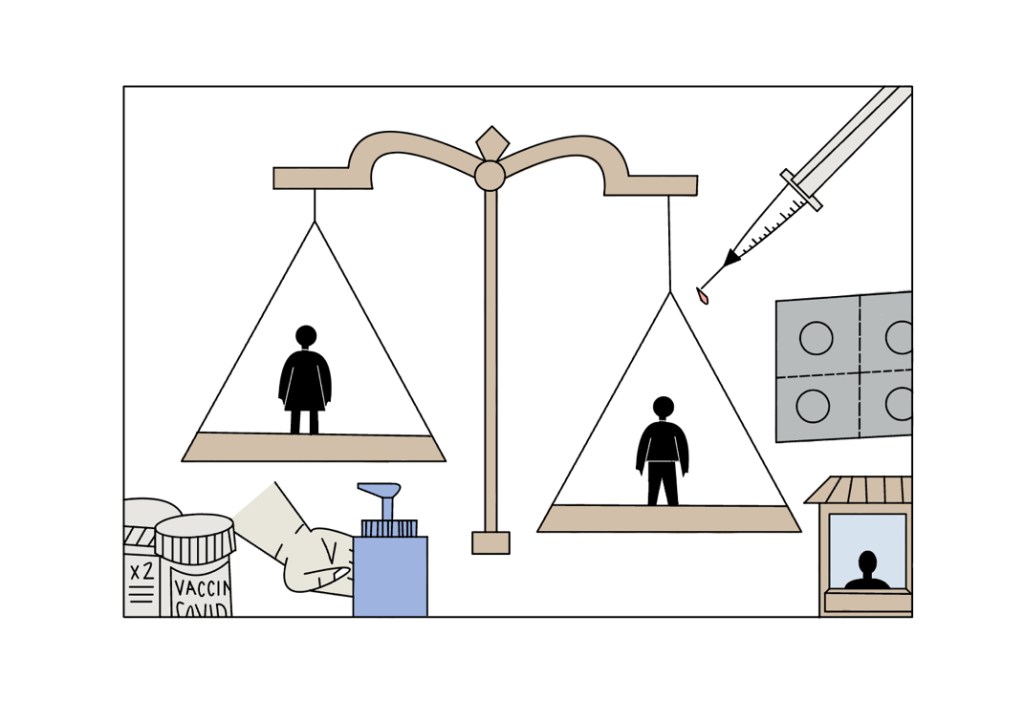
While there is no known cure for Guillain-Barre Syndrome, there are methods to help cope with the disease. One treatment is plasma exchange, in which the plasma is separated from blood and filtered for antibodies attacking the nerves. Another is intravenous immunoglobulin therapy (IVIG), which involves IV injections of immunoglobulins, proteins in the immune system that attack invaders.
As Guillain-Barre Syndrome is a rare disease, it is easy to get swept up in the notion that it could never affect us. However, anyone can procure GBS, which is why we need to be aware of its symptoms and act immediately if we recognize them.
Works Cited:
Cleveland Clinic medical. “Guillain-Barré Syndrome.” Cleveland Clinic, my.clevelandclinic.org/health/diseases/15838-guillain-barre-syndrome. Accessed 27 July 2024.
“Guillain-Barre Syndrome.” Mayo Clinic, Mayo Foundation for Medical Education and Research, 7 June 2024, http://www.mayoclinic.org/diseases-conditions/guillain-barre-syndrome/symptoms-causes/syc-20362793.
 pathoscribe
Leave a comment