
Written by Anoushka Pandya | Art by Maya Wen
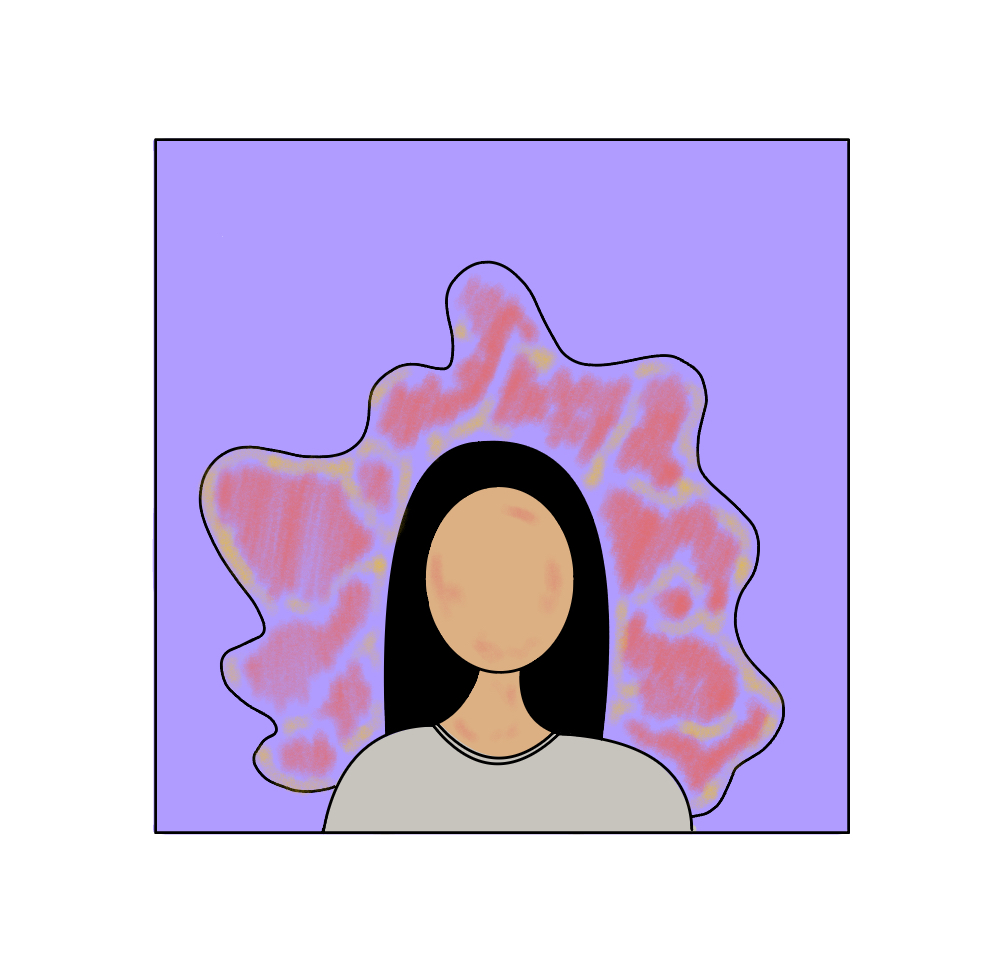
Going on public transport or to places outside our homes is simple for most of us. However, these tasks are not so simple for those with agoraphobia and can lead to symptoms similar to those of a panic attack. Agoraphobia turns things we deem so normal, routine, and meaningless into something scary.
Agoraphobia is an anxiety disorder that stems from the fear of being trapped in an inescapable situation. People with agoraphobia are scared of feeling overwhelmed or stuck and as such avoid new or crowded places. The severity of agoraphobia varies among patients, from uncomfortable to fully inhibiting. It is not a prevalent disorder, but is more common in females and those with histories of panic disorders.
There is no specific cause of agoraphobia, but there are factors that make having it more likely. These factors include existing panic disorders, trauma, stress, and family history. Agoraphobia is typically diagnosed by a primary care physician or a psychiatrist.
Agoraphobia has both physical, psychological, and behavioral symptoms. Those affected by it have symptoms reminiscent of a panic attack when in an anxiety-inducing environment. They hyperventilate, have a rapid heartbeat, and feel hot, sweaty, and faint. They have general feelings of dread and other fears associated with agoraphobia (fears of being dependent, looking stupid, their heart stopping, and a fear of losing their sanity). People with agoraphobia stick to places or people they deem as “safe” and avoid new places.
Agoraphobia is combated through psychotherapy (CBT) and medication. Patients learn techniques to manage their anxiety and may gradually spend more time in new areas. Talk therapy also trains their brains to respond to newer situations differently. Agoraphobia is not something that should be ridiculed, and it is important to raise awareness so we can treat those with agoraphobia kindly and with understanding.
Works Cited:
“Agoraphobia.” Cleveland Clinic, 20 Jan. 2023, my.clevelandclinic.org/health/diseases/15769-agoraphobia
DiLonardo, Mary Jo, and Keri Wiginton. “Agoraphobia: What It Is, Causes, Symptoms and Treatment.” Edited by Shruthi N, WebMD, WebMD, www.webmd.com/anxiety-panic/agoraphobia. Accessed 7 Oct. 2024.
“Symptoms – Agoraphobia.” NHS Choices, NHS, 31 Oct. 2022, www.nhs.uk/mental-health/conditions/agoraphobia/symptoms/.

 pathoscribe
Leave a comment