Written by Jayne Thakur | Art by Srivalli Adarapu
Most of us have formed a conception at some point in our lives that diabetes is directly associated with the consumption of sugar, and if an individual is diagnosed, it must be due to their inherent sweet tooth. But is that really the case?
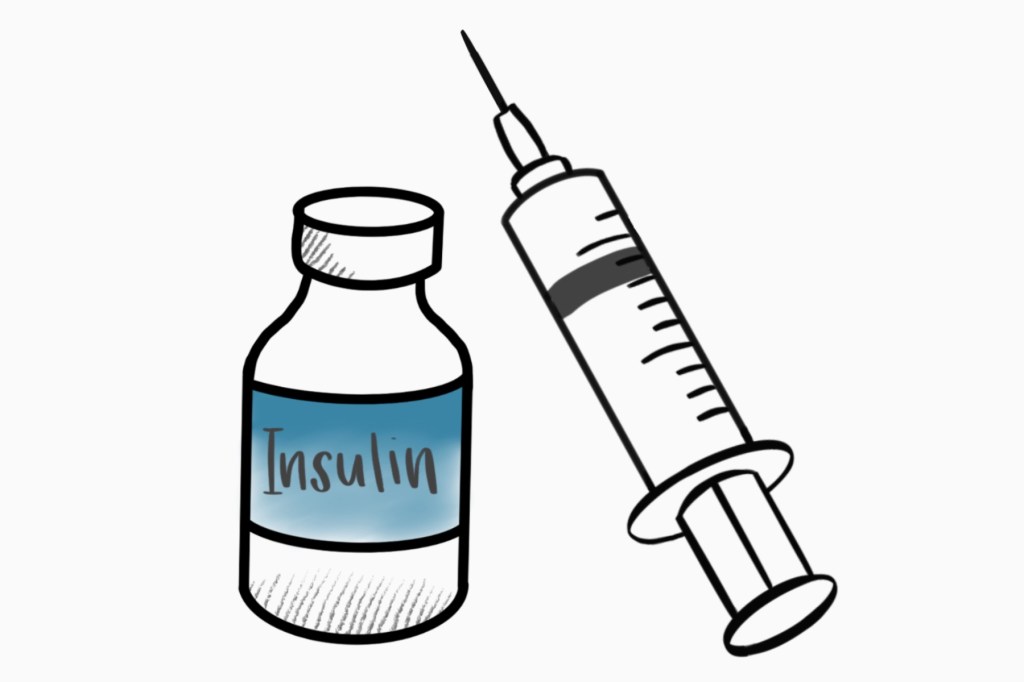
Insulin is a hormone that maintains blood glucose levels by distributing glucose into cells that require this energy. If there is insufficient insulin flowing in the blood vessels, then cells do not receive appropriate energy and the sugar begins to enter the urine after filtration.
There are two major types of diabetes: type I and type II. Type I diabetes is an autoimmune disorder that is caused by the body attacking islet cells instead of healthy ones. Located in the pancreas, islet cells are responsible for making insulin and inhibiting its production while preventing the maintenance of healthy blood glucose levels.
On the other hand, type II diabetes is caused by high fat levels in the body, which then results in reduced insulin production by the pancreas. It has no autoimmune links, and while both are likely due to genetic causes, type II mainly affects the older population.
However, both are forms of diabetes, of which common symptoms include: feelings of thirst, frequent urination, weight loss, fatigue , irritability and mood changes, other infections, and more. While type II diabetes often affects the older population, type I diabetes can start at any age, so if you are experiencing any of these symptoms, it is important to consult a healthcare professional to establish a diagnosis and treatment plan as soon as possible.
Sources:
UVA Health. (2024). Type 1 vs type 2 diabetes. Type 1 vs Type 2 Diabetes | UVA Health. https://uvahealth.com/services/diabetes-care/types
Mayo Clinic Staff. (2024, March 27). Diabetes. Mayo Clinic. https://www.mayoclinic.org/diseases-conditions/diabetes/symptoms-causes/syc-20371444

 pathoscribe
Leave a comment