
Written by Aashna Gupta | Art by Tanisha Arora
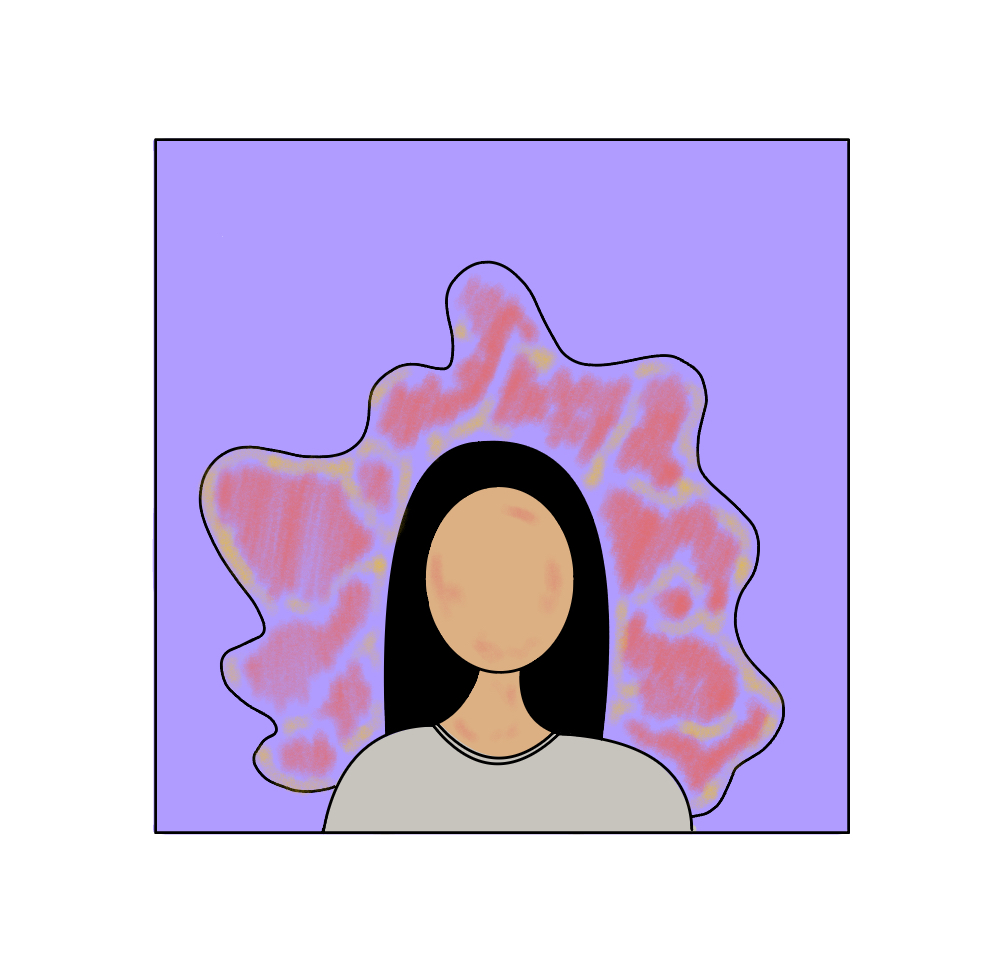
Eating disorders are complex mental health conditions that are characterized by disordered eating behaviors, distorted body image, and an intense focus on weight and appearance. These disorders often interfere with daily life and can lead to several physical and psychological consequences. The most common types of these disorders are anorexia nervosa, bulimia nervosa, and binge eating disorder. Each of these types of eating disorders presents its own challenges. While the immediate effects of eating disorders may be physical, their psychological impact is long-lasting.
Anorexia nervosa, bulimia nervosa, and binge eating disorder, while all categorized as eating disorders, are completely different. Anorexia nervosa is categorized by extreme food restriction and an intense fear of gaining weight. This often leads to a dangerously low body weight and can lead to an extremely unstable heart rate. Bulimia nervosa involves cycles of binge eating followed by corrective behaviors, such as purging or excessive exercise. Binge eating disorder, in contrast, involves binge eating without purging behaviors and is often accompanied by feelings of shame and guilt. Though they show differently, a distorted relationship links all eating disorders with food and body image.
Recognizing the signs of eating disorders is challenging, as individuals often conceal their behaviors. Some physical common signs of having an eating disorder include fatigue, thinning hair, changes in nails or skin, and weight loss. Some emotional and behavioral signs include avoiding meals, excessive exercise, obsessive calorie counting, and withdrawal from social activities. Individuals may have low self-esteem typically regarding their weight and appearance. If these signs are noticed at an early age, it can greatly help in the intervention and prevention of these habits.
Treatment for eating disorders usually includes a combination of nutrition help, therapy, and medical care. A popular therapy is called CBT (Cognitive Behavioral Therapy), and it is often used to help people change unhealthy thoughts and behaviors. Nutrition counseling helps build a healthy relationship with food, but medical care may be needed to fix any physical problems like malnutrition.
Recovery from eating disorders is challenging, but this possible journey requires patience, understanding, and a supportive network. While recovery is different for each person, it typically involves therapy to work through emotional issues, support groups to connect with others, and slowly restore healthy eating habits. With time and effort, people can regain their health, confidence, and control over their lives.
In conclusion, eating disorders are serious mental health conditions that have profound impacts on an individual’s physical and emotional well-being. Recognizing the signs early and seeking appropriate treatment is crucial for recovery. With the right support, individuals with eating disorders can overcome their struggles and lead fulfilling lives.
Works Cited:
- Petre, Alina. “Eating Disorders: 6 Types and Their Symptoms.” Healthline, Healthline Media, 11 June 2024, http://www.healthline.com/nutrition/common-eating-disorders. Accessed 08 Feb. 2025.
- Murphy, Rebecca, et al. “Cognitive Behavioral Therapy for Eating Disorders.” The Psychiatric Clinics of North America, U.S. National Library of Medicine, pmc.ncbi.nlm.nih.gov/articles/PMC2928448/. Accessed 08 Feb. 2025.
- “Eating Disorders (for Teens) | Nemours KidsHealth.” KidsHealth, The Nemours Foundation, kidshealth.org/en/teens/eat-disorder.html. Accessed 08 Feb. 2025.

 pathoscribe
Leave a comment