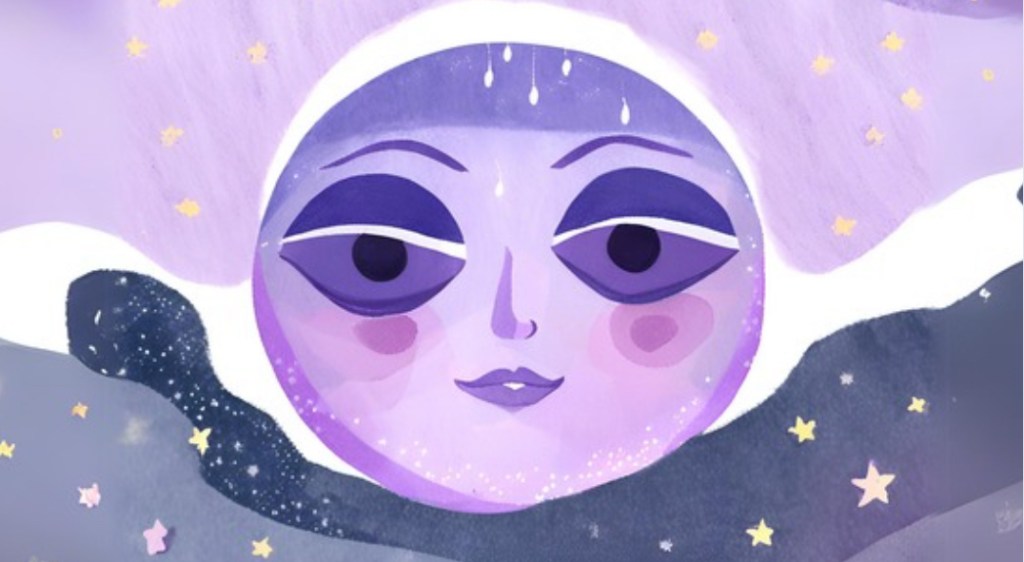
Written by Yong-Lin Hu | Art by Lily Ozaeta
Sleep is, by far, one of the most important and beneficial practices for the body, but its impact is dependent on the quality, timing, and longevity of sleep. As such, for those suffering from sleep disorders, sleep can quickly become a nightmare. Over 80 known sleep disorders are experienced by over 50 million people in the United States, but this article will quickly touch on insomnia and sleep apnea.
Insomnia:
Insomnia is a common sleep disorder that causes difficulty falling or staying asleep. While an average person takes around 10 to 20 minutes to fall asleep, this number increases to over 30 minutes for someone with insomnia. If these symptoms are experienced consistently for over three months, it is labeled as chronic insomnia. Because of its effect on sleep duration, people often feel tired during the day, experience depression, and have difficulties paying attention. Common causes and risk factors for insomnia include stress, genetics, mental health disorders such as depression and post-traumatic stress disorder (PTSD), irregular sleep schedules–often induced by school, work, or travel–and taking certain medications. It is also twice as common in females as in males due to hormonal changes throughout the menstrual cycle, menopause, or pregnancy. While one may expect the typical treatment for this disorder to be prescription sleeping pills, it is not a generally recommended primary treatment, especially for long-term consumption. Instead, many rely on cognitive behavioral therapy to address the underlying psychological causes of their insomnia.
Fun Fact: Other animals and pets can have insomnia, too!
Sleep Apnea:
Sleep apnea occurs when someone stops breathing, either due to obstructions of the airways or because the brain doesn’t regulate breathing properly. When breathing stops, a survival reflex will kick in, waking the body up just enough so one starts breathing again. However, this act disrupts the sleep cycle, leading to its own set of consequences. There are three primary types of sleep apnea—obstructive sleep apnea, central sleep apnea, and treatment-emergent central sleep apnea—each based on how the body stops breathing. In obstructive sleep apnea, the muscles in the throat relax and put pressure on the windpipe, obstructing airflow. In central sleep apnea, the brain fails to send signals to breathing-dependent muscles, leading to the entire process halting. The last type of sleep apnea, treatment-emergent central sleep apnea, is a combination of the first two. Although it may be difficult to tell if one has sleep apnea themselves, common symptoms, which may be detected by a partner instead, include unusual or halting breathing rhythms, snoring, waking up repeatedly, night sweats, and feeling fatigued when waking up. Sleep apnea places a heavy strain on the heart, so it can often lead to the development of other complications such as high blood pressure and heart failure.
Fun Fact: Over 80% of sleep apnea goes undiagnosed!
Sources:
“Sleep Disorders.” Cleveland Clinic, 17 Aug. 2017, https://my.clevelandclinic.org/health/diseases/11429-sleep-disorders.
“Insomnia – Symptoms and Causes.” Mayo Clinic, https://www.mayoclinic.org/diseases-conditions/insomnia/symptoms-causes/syc-20355167. Accessed 12 Mar. 2025.
“Sleep Apnea – Symptoms and Causes.” Mayo Clinic, https://www.mayoclinic.org/diseases-conditions/sleep-apnea/symptoms-causes/syc-20377631. Accessed 12 Mar. 2025.
“Parasomnias.” Cleveland Clinic, 8 Aug. 2017, https://my.clevelandclinic.org/health/diseases/12133-parasomnias–disruptive-sleep-disorders. Accessed 12 Mar. 2025.

 pathoscribe
Leave a comment