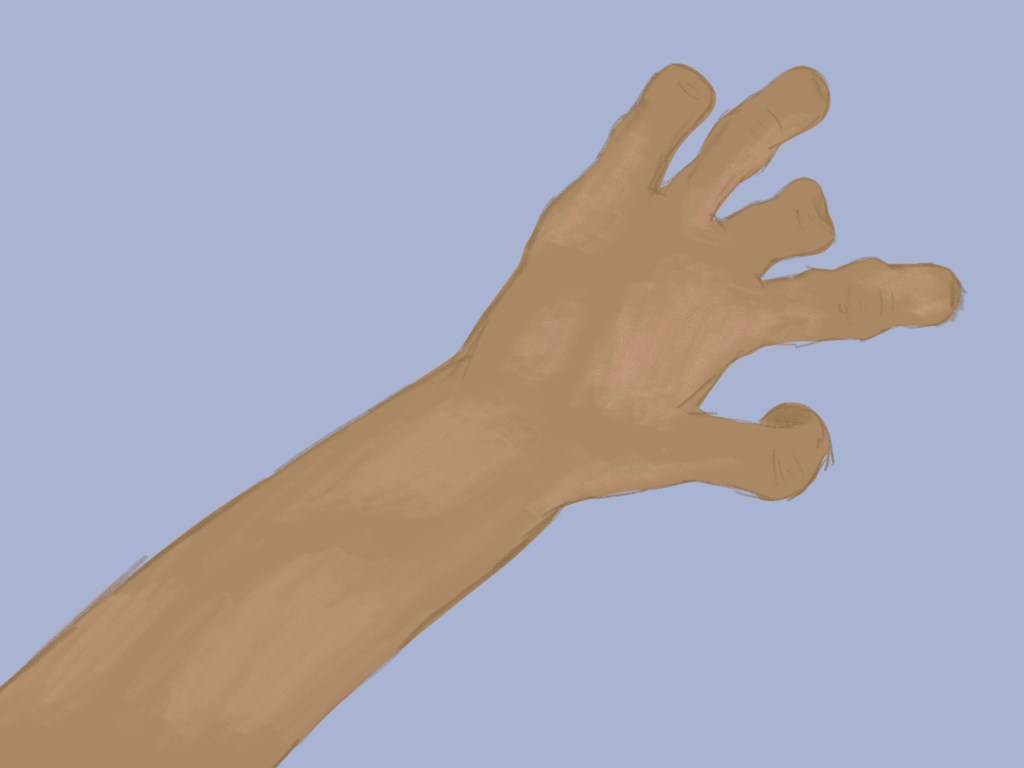
Written by Kirsten Batitay | Art by Maya Wen
Socially reviled throughout history as a “curse,” leprosy, or Hansen’s disease, is a chronic, infectious disease caused by a bacteria called Mycobacterium leprae. This disease affects the skin, peripheral nerves, eyes, and mucosa of the upper respiratory tract. However, around 95% of people are unable to get infected by this disease, as their immune system can fight off the causative bacteria. Leprosy can still be seen in areas like Southeast Asia and is considered by the World Health Organization to be a neglected tropical disease.
Although many people believe that leprosy is highly contagious, it is believed to be transmitted through droplets from the nose and mouth of someone with an untreated case, containing the causative bacteria, only after prolonged, close contact. This “close contact” does not include shaking hands, hugging, or sitting next to each other. Therefore, leprosy is not truly as contagious as many think it to be.
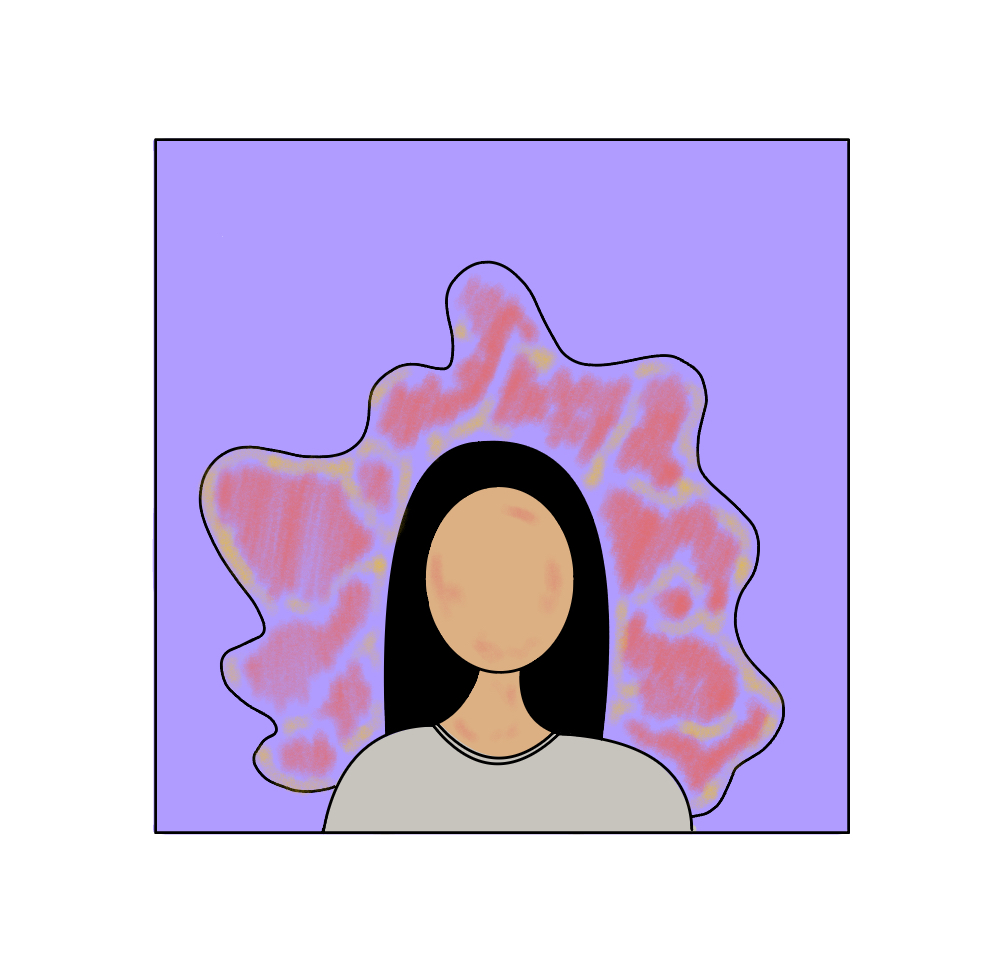
Furthermore, diagnosis of leprosy is done clinically. The disease is typically manifested through skin lesions and peripheral nerve involvement. Any of three main signs are used in its diagnosis. These include a definite loss of sensation in a pale or reddish skin patch, a thickened or enlarged peripheral nerve (plus weakness or a loss of sensation in any muscles connected to that nerve), and the microscopic detection of bacilli in a skin biopsy, or sample.
Based on the aforementioned diagnosis criteria, leprosy cases are classified into two types to be treated. These two classes are paucibacillary (PB) and multibacillary (MB) cases. The previous is a leprosy case with 1-5 skin lesions and without the presence of bacilli in a skin biopsy, while the latter is a leprosy case with 5+ skin lesions, nerve involvement, or the presence of bacilli in a skin biopsy.
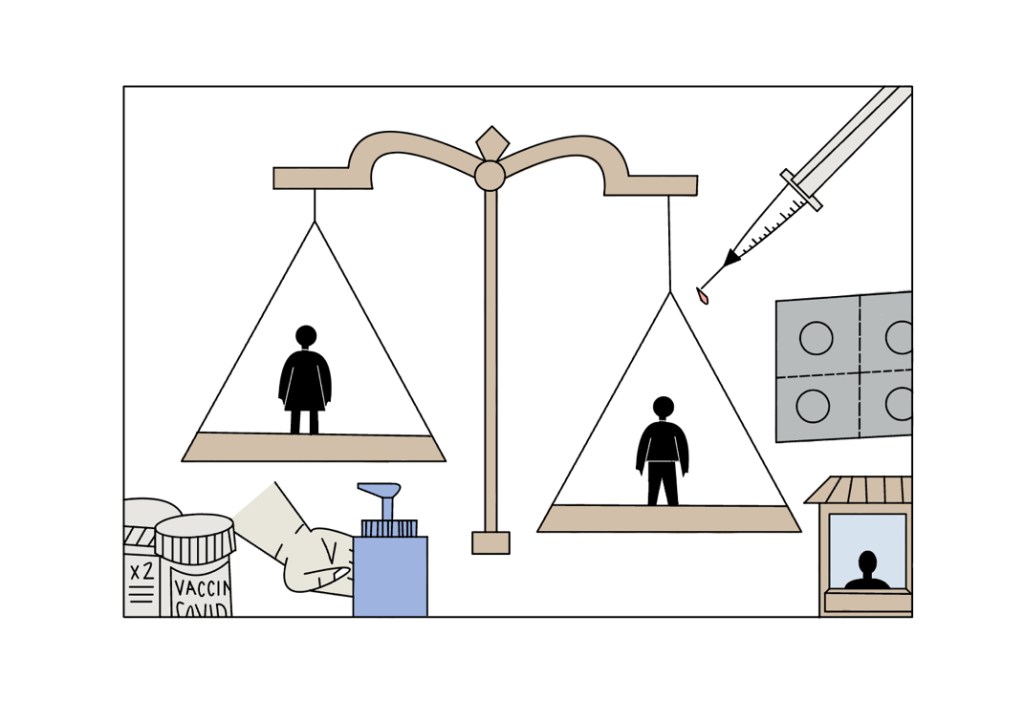
Thought to be incurable, Hansen’s disease is, in actuality, treatable through a multi-drug therapy consisting of three medicines: dapsone, rifampicin, and clofazimine. This therapy kills the pathogen, thus curing the patient. When this treatment process begins, the patient stops transmitting the disease. With early diagnosis and immediate treatment, disabilities caused by leprosy can be prevented.
Despite the benefits of early diagnosis and treatment, the stigma around leprosy can lead to the concealment of early skin lesions “until disfigurement occurs,” as well as prevent early diagnosis as patients who fear that they have the disease avoid the opportunity to have the diagnosis confirmed. This stigma then prevents patients from taking full advantage of public health programs aimed at treating leprosy. However, we should take great care to gradually change attitudes and fears towards Hansen’s disease, educating ourselves on its treatability to keep patients’ conditions from devolving and pushing them into a possible life of discomfort and pain.
Sources:
CDC Staff. “About Hansen’s Disease (Leprosy).” Centers for Disease Control and Prevention, Centers for Disease Control and Prevention, http://www.cdc.gov/leprosy/about/index.html. Accessed 24 Feb. 2025.
Dr. Liji Thomas, MD. “Leprosy Stigma.” News, News Medical, 2 Jan. 2023, http://www.news-medical.net/health/Leprosy-Stigma.aspx.
WHO Staff. “Leprosy.” World Health Organization, World Health Organization, http://www.who.int/news-room/fact-sheets/detail/leprosy. Accessed 23 Feb. 2025.

 pathoscribe
Leave a comment