Written by Bella G. Sandoval | Art by Bella G. Sandoval
The teenage years are a time for exploring new limits and pushing new boundaries, but with no control, it can be overwhelming and potentially dangerous. This occurs mainly for two reasons. One, teenagers just want to feel like cool independent adults who make their own decisions and (in the words of Ricky Martin) be “livin’ la vida loca.” Two, teenagers constantly fall victim to peer pressure and the need to please or impress others. From there, teenagers can engage in unsafe behavior they aren’t ready for, such as drinking, smoking, and having sexual intercourse. This leads to a variety of bad consequences from unsafe driving to losing focus on schoolwork, just to name a few.
There’s absolutely nothing wrong with exploring and pushing new limits, but for their own safety and the safety of others, teenagers need to establish boundaries. I want to especially focus on boundaries in relationships with others. According to the Center for Adolescent Studies, boundaries are essential for maintaining healthy relationships. When teenagers constantly rely on others to dictate their life choices, they lose their independence. They worry too much about how others will feel if they say no, but they end up hurting themselves more than anyone else. Saying yes all the time undermines oneself and can threaten relationships, despite the constant fear that saying no is what truly threatens relationships. Saying yes isn’t always a bad thing however, because a relationship (whether romantic, platonic, familial, or other) is a partnership between two people, so you should take into account your feelings and theirs. The point is, if you and the other person in the relationship are both honest about your feelings and thoughts, you can make better decisions together.
Here’s an example of a relationship with no boundaries:
- Shutting people out and not trusting them due to a lack of communication
- Constantly demanding that your friends/partner be there with you and not acknowledging their feelings
- Assuming, rather than asking, how others feel
- Giving into peer pressure and pleasing others, even if it goes against what you believe in
- Allowing others to make decisions for you
- Surrounding yourself with people who disrespect you or try to change you
Here’s an example of a relationship with boundaries:
- A romantic relationship that slowly moves towards intimacy with both partners’ consent
- Asking someone not to tease you about a sensitive subject, then having a consequence if they don’t respect your wishes
- Telling someone that you’re not comfortable with joining them in drinking, smoking, sneaking out, etc.
- Being honest about borrowing money
- Respecting others’ “me time,” and having some for yourself as well
- Asking your friend/partner to put their phone down when they’re with you
Remember a few things when setting boundaries in relationships:
- Don’t feel guilty
- Stay consistent with your boundaries, but if things change, keep the other side informed
- Trust your gut instincts
- Learn key phrases:
- “Let me think about that and get back to you”
- “No thank you, I’m not comfortable with that”
- “Let me talk to my parents and let you know”
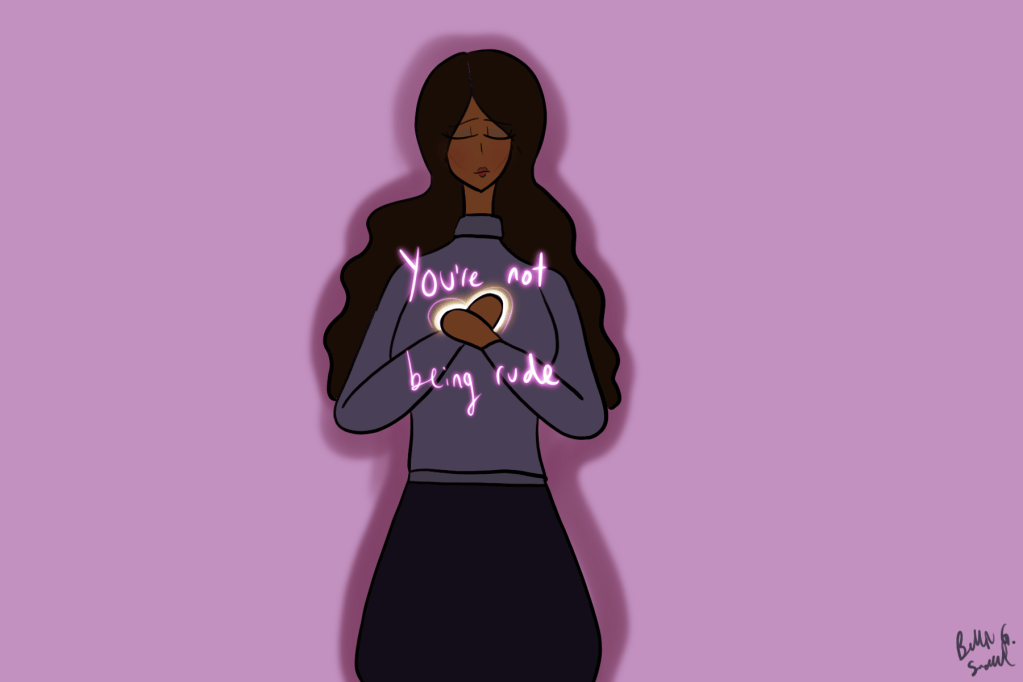
It might be scary to have that conversation with your friend/partner/etc, but once you do, you’ll find a strong sense of independence. And remember, you’re not being rude, you’re expressing your own self-worth.


 pathoscribe
Leave a comment