Written by Caitlin Maramba | Art by Tanisha Arora
Surgeries are done hundreds of times across the world every single day. However, what prevents these patients from experiencing excruciating pain once they lie on the operating table? Medical practitioners must find a way to keep patients comfortable during complex procedures. Every day, they turn to anesthesiology.
Anesthesia is a type of drug used to intercept pain receptors and numb discomfort. It has been used for around 180 years since its invention in 1846. Anesthesia allowed surgery to be used to prevent further diseases rather than as a last resort. Consequently, it is used every day to help patients with many kinds of surgeries. The types of anesthesia are general anesthesia, sedation (also known as monitored anesthesia care), regional anesthesia, and local anesthesia. General anesthesia numbs the entire body and puts the patient in a sleep-like state. Monitored sedation also numbs the entire body, but it may also keep the patient awake and sentient. Regional anesthesia sends receptors to prevent pain in a section of the body, like an arm or leg. Local anesthesia is more specific and only affects a small part of the body, such as a single tooth.
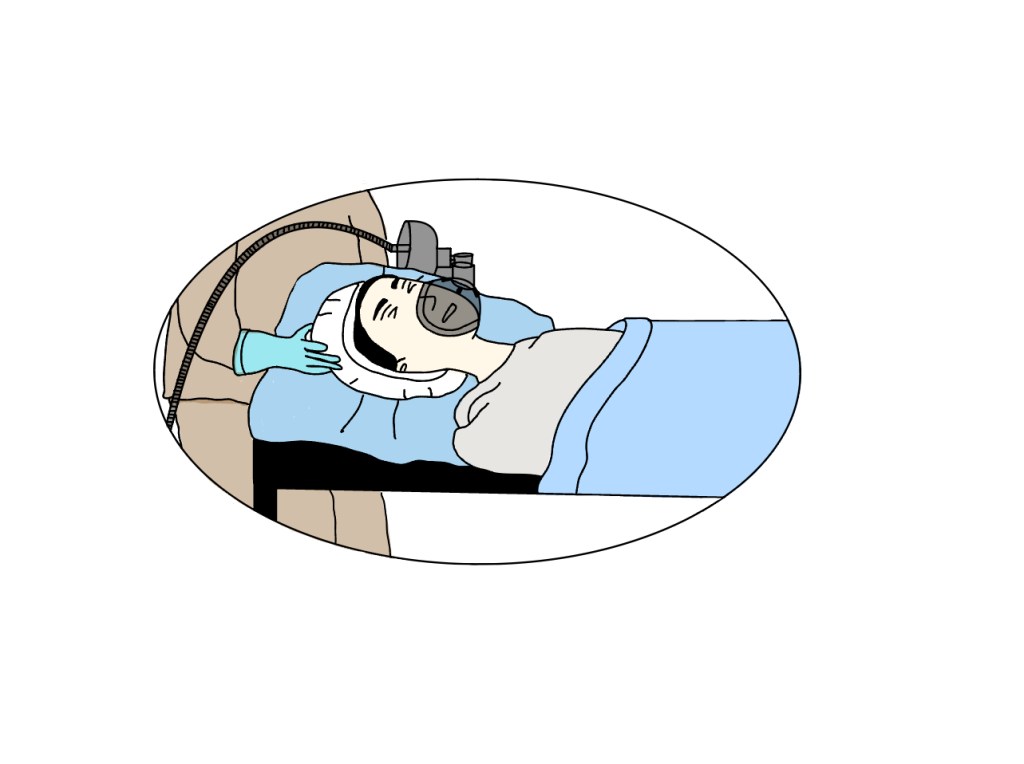
Anesthesia can be administered in several different ways, such as through a gas mask, a needle into your bloodstream, a catheter, and even a lotion or spray. The way in which anesthesia is delivered depends on the type, the necessary procedure, and the patient. For example, an adult who will undergo surgery due to a ruptured appendix may take general anesthesia through an injection. A child with the same injury may also take general anesthesia, but instead take it through a gas mask, since it tends to be less stressful and allows the child to fall asleep quickly. Complex surgeries usually use general anesthesia as it ensures the patient is unconscious during the procedure.. Sedation can relax the patient and make them drowsy; it is usually used for colonoscopies or complex dental work. Regional anesthesia numbs a part of the body and is used for hand and joint surgery as well as during a C-section or birth. Lastly, local anesthesia prevents pain signals from being recognized in a specific part of the body. It can be used by a dentist to numb a specific tooth or applied to an area needing stitches.
The process of considering the types of anesthesia and how to deliver them is complicated, and there are three common professions that work with anesthesia. A certified registered nurse anesthetist (CRNA) is a nurse who has taken a program after nursing school to learn more about anesthesia. A certified anesthetist assistant has the least amount of schooling and is a physician specializing in anesthesia. Anesthesiologists are doctors who have gone to medical school and specialized in anesthesiology for at least four years. These three anesthetists, people who work with anesthesiology, all work together to ensure a patient is comfortable and safe. They will usually work with general anesthesia, sedation, or regional anesthesia and must look at a patient’s medical history to ensure they use the correct anesthesia and deliver it in the best way.
Anesthesia is a complicated drug that researchers admit we still do not know everything about. It is suspected that it operates by blocking neural pathways and transmissions. Regardless, anesthesia has saved millions of lives by allowing surgery to be done comfortably.
Works Cited
“Anesthesia.” nigms.nih.gov. National Institute of General Medical Sciences, September 2023,
http://www.nigms.nih.gov/education/fact-sheets/Pages/anesthesia. Accessed March 31, 2025.
“Anesthesiologist.” clevelandclinic.org. Cleveland Clinic, 21 March 2022,
my.clevelandclinic.org/health/articles/22540-anesthesiologist. Accessed March 31, 2025.
Mayo Clinic Staff. “General Anesthesia.” mayoclinic.org. Mayo Clinic, 17 January 2025,
http://www.mayoclinic.org/tests-procedures/anesthesia/about/pac-20384568. Accessed March 31, 2025.


 pathoscribe
Leave a comment