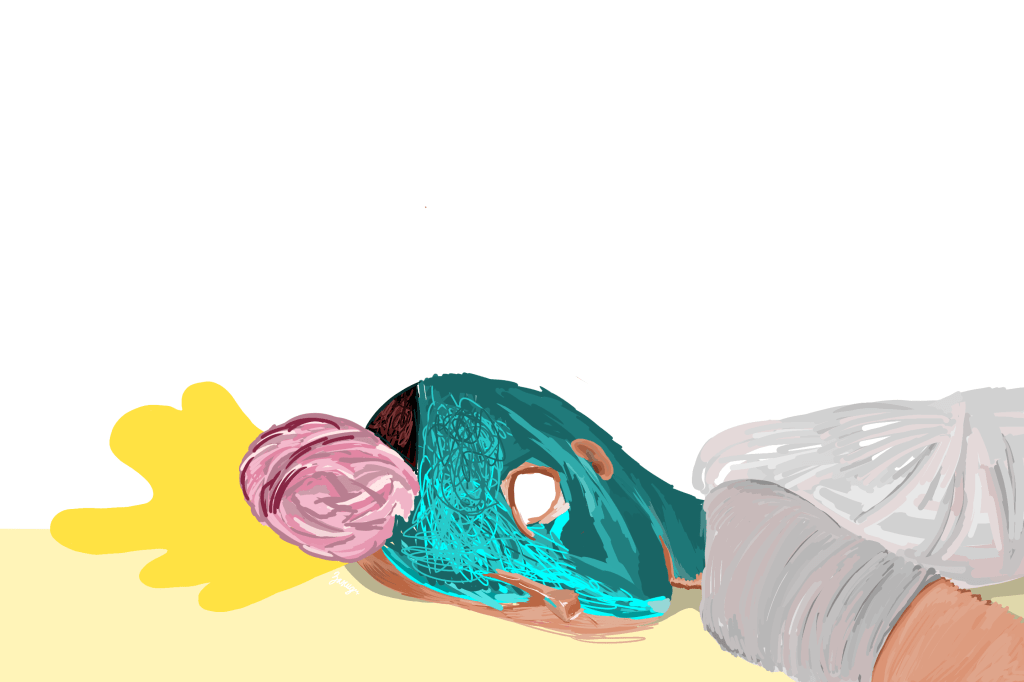
Written by Akemi Li | Art by Angela Bascug
Encephalitis is diagnosed when inflammation is found in the brain. It is typically caused by bacterial or viral infections, which would be referred to as infectious encephalitis. It could also be caused by immune cells in scenarios where they mistakenly attack the brain, and many refer to this case as autoimmune encephalitis. People must be treated right away if diagnosed because it is difficult to predict how encephalitis will affect each person, as it’s also possible for this disease to lead to death in serious situations.
Overall, the causes of this disease are unknown, as half of the reported patients diagnosed with this illness are unknown. As previously said, there are two types of encephalitis, known as infectious encephalitis and autoimmune encephalitis. Infectious encephalitis is rarely caused by bacteria, fungi, or parasites, for it’s mainly caused by viruses spread by mosquitoes or ticks. Autoimmune encephalitis still requires more research on the causes; however, it could be provoked by noncancerous or cancerous tumors. A few common viruses that cause encephalitis include rabies virus, tick-borne viruses, enteroviruses, herpes simplex virus (HSV), and other herpes viruses.
Symptoms of encephalitis may be similar to flu symptoms, including headache, fever, or aches in muscles and joints. Over time, other symptoms will consist of seizures, muscle weakness, and trouble with speech or hearing. Specific symptoms that infants may be diagnosed with include irritability, bulging of soft spots of the skull, nausea, and vomiting. For patients diagnosed with autoimmune encephalitis, symptoms may progress at a slower rate. These individuals rarely feel flu-like symptoms, but they could occur before more serious symptoms start to emerge. Other patients could have a combination of symptoms such as memory loss, changes in personality, sleep issues, seizures, and vision changes.
Complications depend on age, reasons for infection, severity of illness, and the time between diagnosis of illness and starting treatment. Those with mild illness normally recover for a few weeks without long-term complications. However, those with serious severity could face the following: persistent fatigue, memory problems, hearing or vision changes, personality changes, and trouble with speaking. Inflammation would injure the brain, creating possibilities for coma or death.
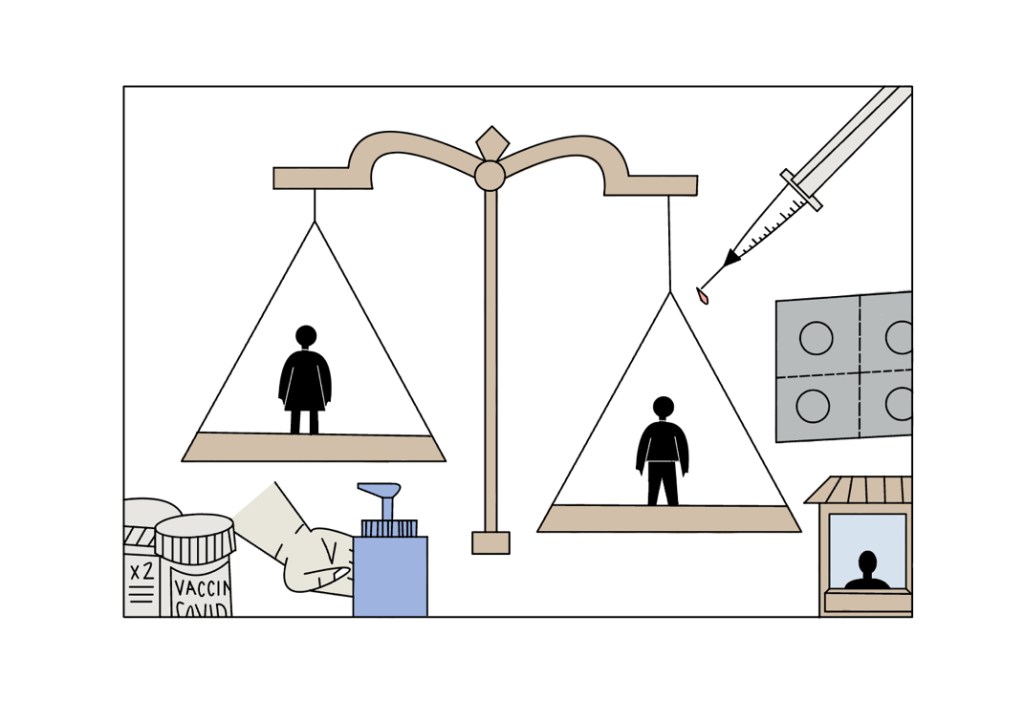
Some preventions include practicing good hygiene, getting vaccines, not sharing utensils, and teaching kids good hygiene habits. To minimize exposure to insects like mosquitoes and ticks, use insecticide and apply mosquito repellent, especially during activities like camping. Be aware that anyone could be affected by this illness. Some risk factors include age, weakened immune system, geographical regions, especially in areas with more ticks and mosquitoes, the season of the year when mosquitoes are more common (e.g., during summer in countries like the United States), smoking, and autoimmune disease.
Some tests for this illness involve brain imaging, also known as a CT/MRI scan. Electroencephalogram, brain biopsy, body imaging, and samples of blood, urine, or excretions taken from the back of the throat may all be helpful to examine. Treatment may involve bed rest, plenty of fluids, and anti-inflammatory medicines. Some follow-up therapy involves brain rehabilitation, physical therapy, and psychotherapy.
Works Cited:
Mayo Clinic. “Encephalitis” Mayo Clinic, 2024, https://www.mayoclinic.org/diseases-conditions/encephalitis/symptoms-causes/syc-20356136

 pathoscribe
Leave a comment