Written by Akemi Li | Art by Tanisha Arora
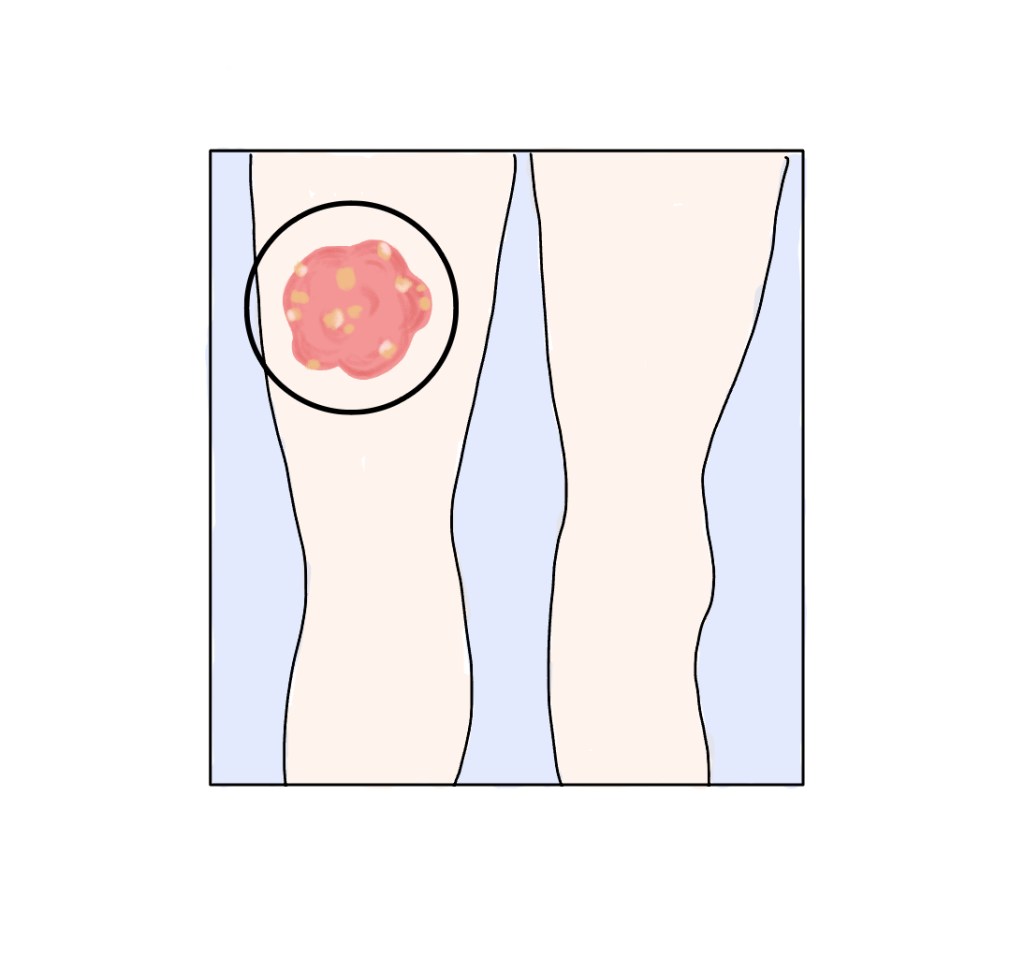
Erythroderma, also known as generalized exfoliative dermatitis, is a potentially life-threatening skin inflammation. People may be diagnosed with this health condition because of certain medication reactions, such as those from barbiturates, penicillin, and sulfonamide. It could also be caused by certain cancers like lymphoma, along with other complications from other health conditions like psoriasis, atopic dermatitis, or any other skin-related condition. Therefore, anyone with another skin condition, diagnosed with cancer, or who is currently taking penicillin, sulfonamide, or barbiturates is at risk.
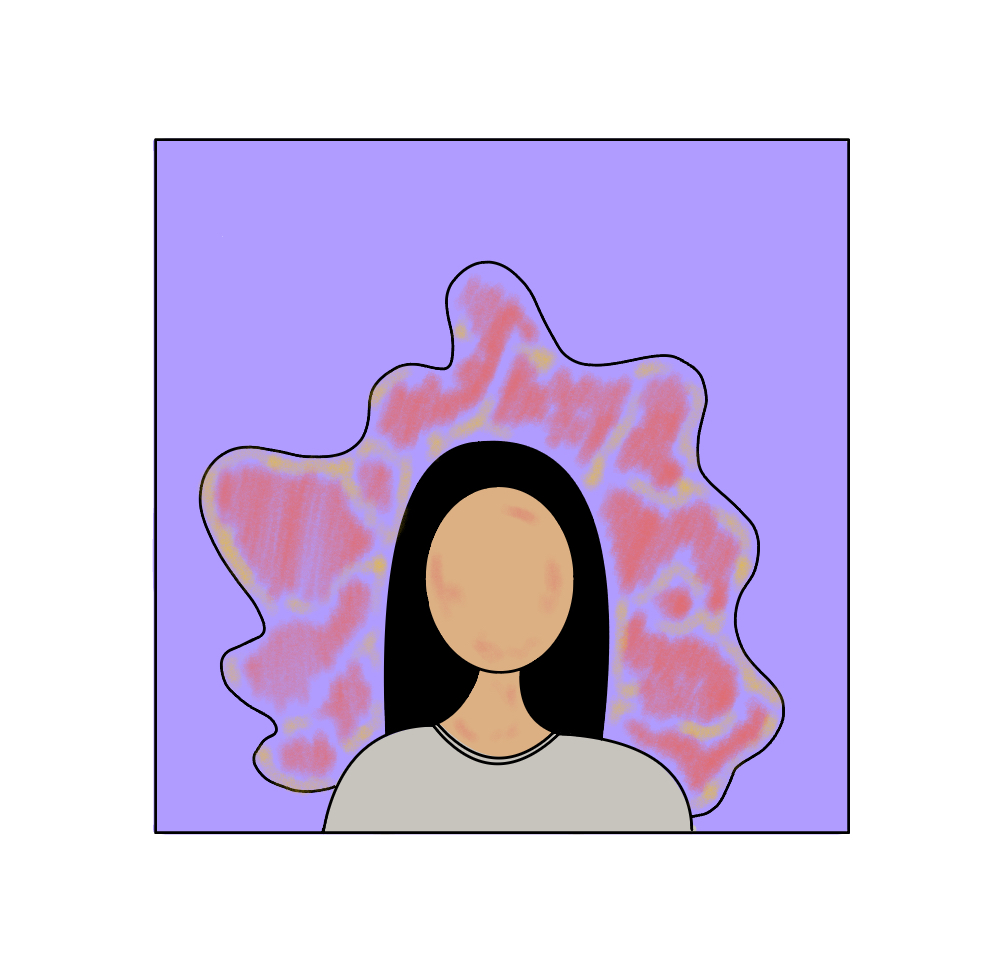
Altogether, people with this condition have redness and scaling all over the body. It would first appear as patches and over time spread, causing the skin to peel off, which causes problems with maintaining body temperature, fluid loss, and increased metabolic rate. Common symptoms involve itching, swollen lymph nodes, fever, crusty sores, etc.
If such symptoms appear, it’s best to visit the doctor, who will ask about current symptoms as well as health history. The doctor will then conduct a physical exam that involves checking the skin, and based on the results, will then make a judgment. If the results are positive, treatment will be given based on age, symptoms, general health, and severity of condition. If it’s extremely serious, hospitalization is required. In the hospital, treatment that may possibly be given is antibiotics, nutritional supplements, and IV fluids. Other actions that may need to be done involve: Stop taking medications that cause symptoms, treat cancer or a skin condition that may be causing it. Other remedies that may help are cool baths, extensive wound care to avoid infection, heated blankets, and applying petroleum jelly and gauze on the skin.
Erythroderma could cause secondary infection from bacteria/viruses. Additionally, it can also cause dehydration and nutritional loss because of a decrease in fluids and proteins. To conclude, researchers currently have not found ways to prevent this condition; however, it’s essential to visit the doctor right away if symptoms appear and be prepared to answer questions asked by doctors in advance.
Works Cited:
Cedars Sinai. “Erythroderma” The StayWell Company, 2000-2025, https://www.cedars-sinai.org/health-library/diseases-and-conditions/e/erythroderma.html

 pathoscribe
Leave a comment