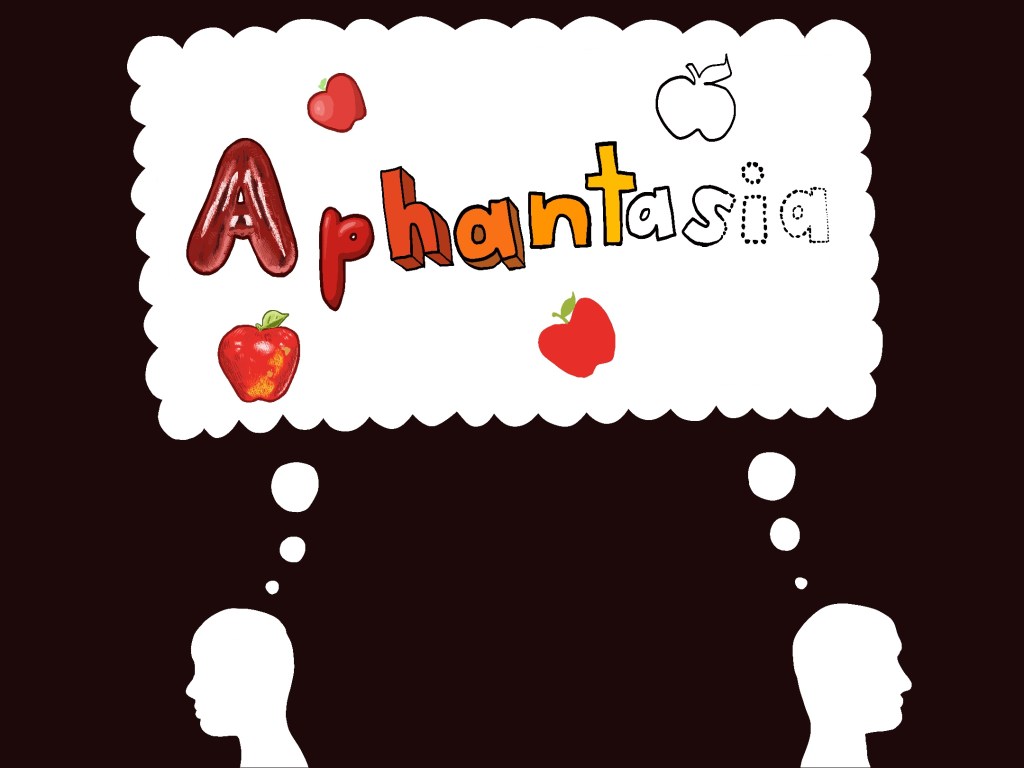
Written by Jayne Thakur | Art by Trevor Cheng
When you close your eyes, can you visualize something you’re talking about or hearing? Maybe you’ve taken that for granted, but many people actually can’t!
Those afflicted with aphantasia are unable to form mental images to supplement their thinking processes. Despite this, clinicians typically do not diagnose this as a disease or a disorder, but rather a characteristic, such as the colour of your hair or the way you learn best!
Typically, there are two forms of aphantasia:
- Congenital: In general, congenital disorders or conditions are present from birth. Similarly, despite aphantasia not being a disorder, Congenital Aphantasia is something an individual is born with.
- Acquired: This is aphantasia that is a result of an injury, illness, or other health conditions. These individuals are not born with aphantasia but may develop it at any point in their lives.
However, apart from having two distinct types, the degree of aphantasia a person may experience exists on a spectrum, like many other conditions. Some people have total aphantasia, meaning that they will never be able to form mental pictures or images, whereas others will only see flashes but not any solid images. For certain people, they only experience aphantasia if their eyes are closed, but are otherwise comparable to the general population in terms of creating mental images.
To diagnose aphantasia, physicians will use medical scans, such as CT scans, MRI scans, or EET scans, followed by a Vividness of Visual Imagery Questionnaire (VVIQ) to officially determine if the patient has it. Diagnostic tests are only necessary for those with Acquired Aphantasia, as they will be adjusting to a new way of life and will be able to realize that they are “lacking” a function that was previously there. As for those with Congenital Aphantasia, they will grow up without knowing there is any difference, and often will realize that they function differently as they enter their teenage and adult years.
Since Aphantasia is officially not a disorder, it also does not have any specific treatment. However, despite people with Acquired Aphantasia experiencing a potential loss, there is also no cure, even if one would like it treated.
Ultimately, just because you have a different way of thinking or different mental processes, this does not mean you have a disease or disorder. Of course, brain injuries require care, and it is important to be able to understand that aphantasia might be a side effect of an injury if it appears later in life, but it is otherwise harmless and normal.
Works Cited:
Professional, C. C. medical. (2025, October 29). Aphantasia: Thinking that’s out of sight. Cleveland Clinic. https://my.clevelandclinic.org/health/symptoms/25222-aphantasia Aphantasia Network. (2025). What is Aphantasia? understanding mental imagery differences. https://aphantasia.com/what-is-aphantasia


 pathoscribe
Leave a comment