
Written by Yong-Lin Hu | Art by Lily Ozaeta
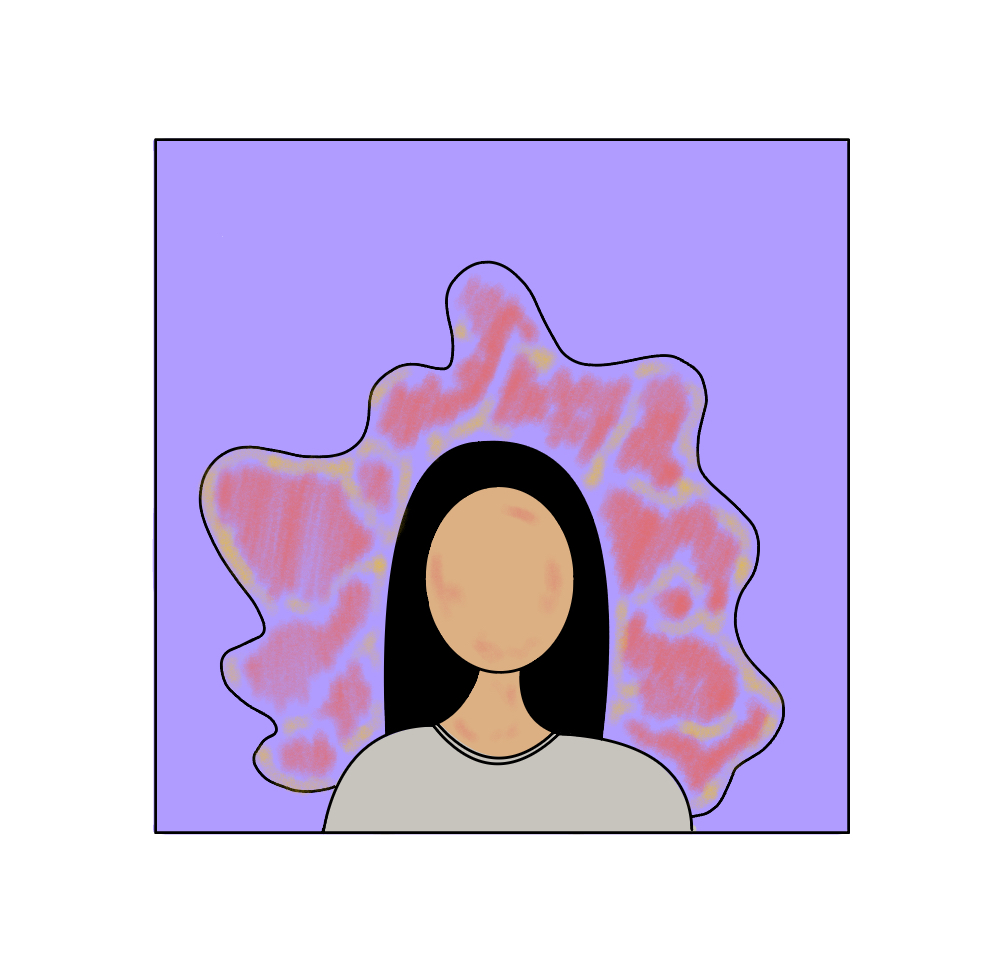
Anorexia Nervosa is an eating disorder characterized by an overemphasis on weight loss, misconfigured body image, and an irrational, intense fear of gaining weight. It is a highly debilitating disorder that interferes with one’s lifestyle, becoming the determining factor in exercising, food consumption and recording calories. It is extremely difficult to overcome. When centered around more than food, it may be used to establish a sense of control in one’s life or be a way to equate self-worth. Although it is the physiological consequences that make this disorder immediately harmful, it is the psychological effects that make it truly debilitating in the long run.
The development of this disorder may stem from a variety of sources but is primarily seen among female teenagers, who are especially susceptible to being victims of societal pressures and expectations at a time when their bodies are rapidly maturing. Those with family members who have suffered from anorexia are also at a higher risk of developing it themselves. Other factors such as emotional stress, mental health problems, and outside influence may all contribute to the development of anorexia.
Symptoms of this disorder may be difficult to notice, as those experiencing it may conceal their eating and exercising habits, as well as their physical appearance. However, some indicators include thin appearance, fatigue, abnormal blood counts, absence of menstruation, low blood pressure, swelling of the body, thinning hair, bone loss, and discoloration. They may frequently skip meals, engage in excessive exercise, deny hunger, frequently check the mirror or weight scale, and demonstrate low self-esteem, especially regarding weight. Because of anorexia and the staggering weight as a result of it, it comes with many complications– at its worst, death. Although these are common symptoms, it is important to be observant of any other social and physical irregularities that may indicate a disorder.
To diagnose anorexia, doctors will perform physical exams, like recording vital signs such as height, weight, and blood pressure, ordering lab tests to check organ function and electrolyte balance, and completing psychological assessments. While those with anorexia may try to hide their disorder, many truly do want to be helped and should be approached with empathy. Treatment options include rehabilitation, nutritional counseling, and therapy, which all aim to address the disorder through both a psychological and physiological lens. For example, Cognitive Behavioral Therapy consists of weekly sessions spanning several months, in which one will discuss with a therapist to relearn tactics for coping with mental challenges and understanding nutrition and the effects of starvation. Other treatments or medications may also target other mental disorders, such as depression, for which anorexia is a coping mechanism.
Works Cited:
“Anorexia Nervosa – Symptoms and Causes.” Mayo Clinic, 20 Feb. 2018, https://www.mayoclinic.org/diseases-conditions/anorexia-nervosa/symptoms-causes/syc-20353591. Accessed 3 Mar. 2024.
“Anorexia Nervosa.” Johns Hopkins Medicine, 31 Jan. 2023, https://www.hopkinsmedicine.org/health/conditions-and-diseases/eating-disorders/anorexia-nervosa. Accessed 3 Mar. 2024.
website, NHS. “Treatment – Anorexia Nervosa.” Nhs.Uk, https://www.nhs.uk/mental-health/conditions/anorexia/treatment/#:~:text=Treatment%20for%20anorexia%20nervosa%20. Accessed 3 Mar. 2024.


 pathoscribe
Leave a reply to Bulimia Nervosa – pathoscribe Cancel reply